
Spacehunter: Adventures in the Forbidden Zone
1983
No user ratings available yet
Representation score: 3.3 out of 10
Representation Score
Fair
1968
PGDirector
Roger Vadim
Runtime
98 minutes
Average Rating
No ratings yetNew Showbiz Analysis
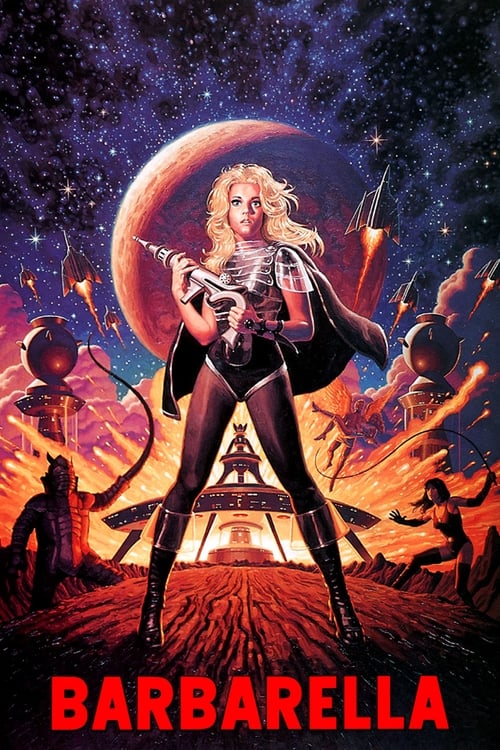
Barbarella acts as a transitional film that challenges mid-20th century social norms. It emphasizes sexual autonomy and rejects absolute moral codes, effectively disrupting established gender hierarchies. However, the film is constrained by its era, lacking significant racial or LGBTQ+ diversity. Its visual style remains largely Eurocentric. Ultimately, the film's strength lies in its postmodern approach and relativist worldview, which undermines conventional social structures of the 1960s.
Category Breakdown
The film focuses on heterosexual exploration but includes a psychedelic, camp aesthetic that resonates with queer subcultures. However, it lacks explicit representations of non-straight identities.
Barbarella exhibits strong independence and control over her own journey. The Black Queen presents a nuanced depiction of female power that challenges stereotypes of submission.
The casting is primarily white and Eurocentric, reflecting the limitations of the time period. The film does not include diverse or characters who reflect more than one aspect of diversity.
The storyline replaces traditional morality with a philosophy of cosmic pleasure and relative ethics. It portrays rigid Western institutions as decadent and corrupt.
The film provides no evidence of characters with visible or invisible disabilities.
Present on Screen
Limited or Absent
Official Synopsis
In the far future, a highly sexual woman is tasked with finding and stopping the evil Durand-Durand. Along the way she encounters various unusual people.
1983

1956
1961

1964
1980
1981
1978

1960
No reviews yet. Be the first to share your thoughts on this movie!
Use the rating form above to leave a star rating and optional review.