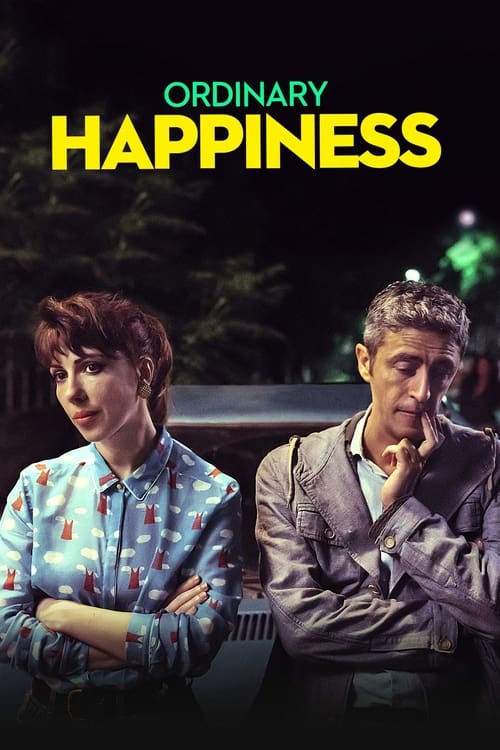
Ordinary Happiness
2019
No user ratings available yet
Representation score: 6.9 out of 10

Representation Score
Limited
2011
Director
Mariano Cohn, Gastón Duprat
Runtime
80 minutes
Average Rating
No ratings yetNew Showbiz Analysis
The film focuses on deconstructing social norms rather than showcasing a wide range of demographics. It effectively challenges the idealized nuclear family by presenting a nihilistic view of relationships. However, the film lacks representation for LGBTQ+ individuals, people with disabilities, and diverse ethnic groups, limiting its scope to a specific middle-class Argentine context.
Category Breakdown
The film centers on a heterosexual couple and does not include any non-straight or non-cisgender identities. It also does not challenge the idea that everyone is straight or cisgender.
The story challenges traditional gender roles by showing psychological conflict rather than stable family dynamics. However, the characters have limited control over their situation within the film's hostile environment.
The cast is made up of a homogeneous middle-class Argentine population. The film does not feature a diverse mix of ethnicities or use actors from different backgrounds.
The film questions the traditional Western family structure by depicting marriage as dysfunctional. It promotes a modern perspective that emphasizes moral flexibility and situational ethics.
The film does not include any characters with visible or invisible disabilities, nor does it address neurodivergent representation.
Present on Screen
Limited or Absent
Official Synopsis
Ernesto, an ordinary man who, after making a deal with a strange character, has the chance to return to the past and live his youth again, tries to recover lost opportunities and avoid certain behaviors to change his gray and insipid present.
2019
2021

2022

2012

2009
2004

2018
1986
No reviews yet. Be the first to share your thoughts on this movie!
Use the rating form above to leave a star rating and optional review.