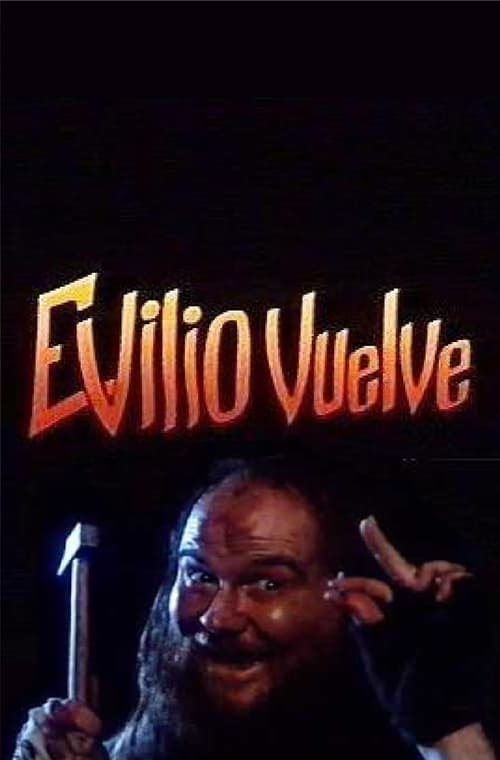
Evilio vuelve (El purificador)
1995
No user ratings available yet
Representation score: 0.8 out of 10
Representation Score
Limited
1960
Director
Rogelio A. González
Runtime
84 minutes
Average Rating
No ratings yetNew Showbiz Analysis
The film serves as a dark satire that dismantles mid-century social norms. It stands out by presenting marriage as a burden rather than a sacred institution, thereby disrupting the typical depiction of the ideal family unit. However, the film lacks modern multi-layered elements such as LGBTQ+ representation or characters with disabilities. It prioritizes a homogeneous cast within its specific cultural context over a diverse or inclusive one.
Category Breakdown
The film centers on a straight marriage and does not include any queer narratives or non-cisgender identities.
The plot challenges the idea of a harmonious household by showing a marriage as a source of conflict. It also questions the traditional submissive role of women, but the main character's actions remain focused on male dominance.
The cast primarily consists of actors representing the contemporary Mexican society of the time. The film does not incorporate diverse casting to challenge traditional hierarchies.
The film uses dark humor to criticize the sanctity of marriage and traditional institutions. It presents the protagonist's actions through a lens of moral relativism rather than absolute judgment.
There are no characters with physical or cognitive disabilities featured in the narrative.
Present on Screen
Limited or Absent
Official Synopsis
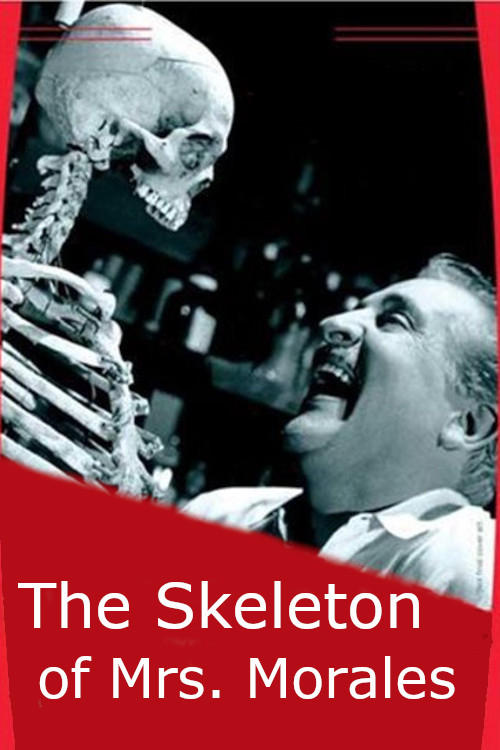
A taxidermist decides to murder his wife after having to put up with her after twenty years of hellish marriage.
1995
1970

1988
1964

1987
1955
1970

1963
No reviews yet. Be the first to share your thoughts on this movie!
Use the rating form above to leave a star rating and optional review.