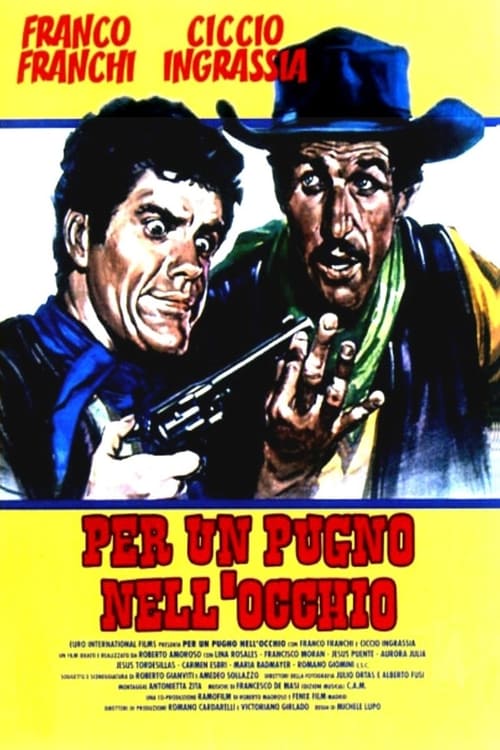
Fistful of Knuckles
1965
No user ratings available yet
Diversity score: 2.8 out of 10
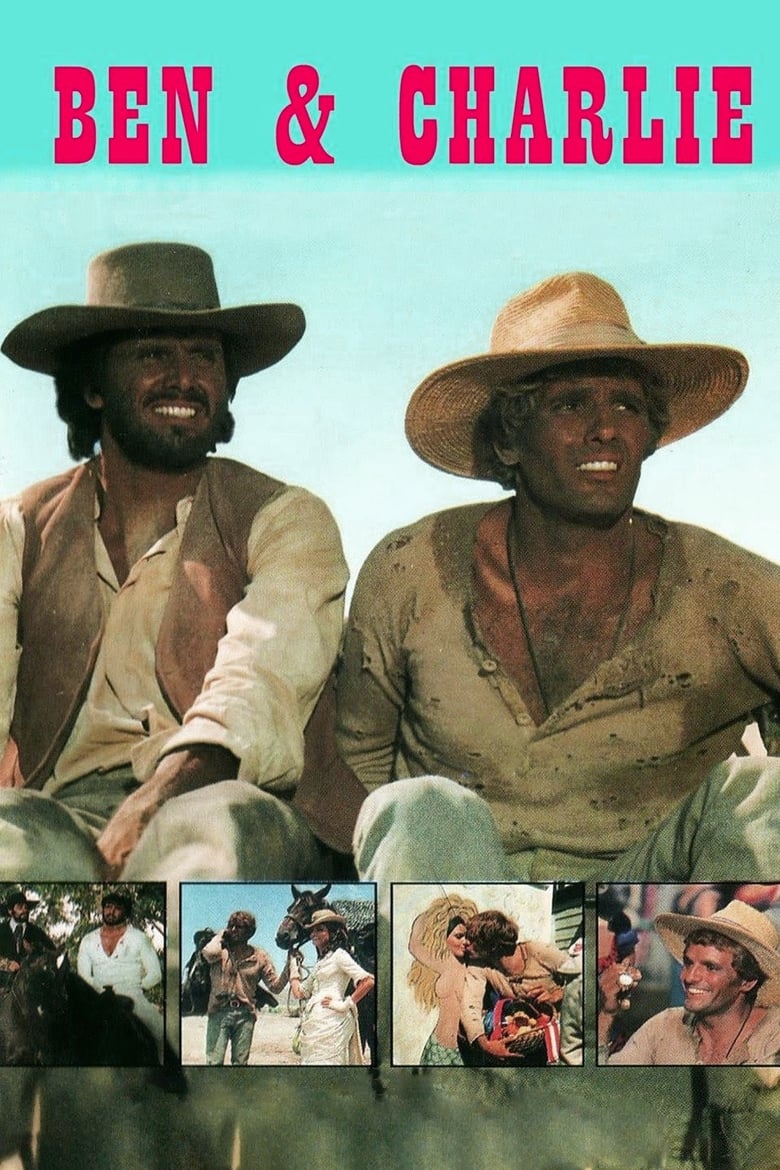
1972
PGDirector
Michele Lupo
Runtime
109 minutes
Average Rating
No ratings yetSynopsis
Also known as Ben & Charlie. When Ben Bellow is released from prison, Charlie Logan is there waiting for him. Not to welcome him, but to tell him that he does not want to hear from him again. But his wish won't be granted as the the two men constantly forced to reconnect while still hating each other's guts...
Overall Score
Limited
Category Breakdown
LGBTQ+ Representation
The film centers on a friction-filled relationship between two men, Ben Bellow and Charlie Logan. However, the tension appears rooted in traditional masculine rivalry rather than any explicit depiction of non-cisnormative identities or same-sex intimacy.
Gender Representation
The narrative architecture is driven by a male-centric plot typical of early 1970s Westerns. It focuses on masculine archetypes of conflict and independence without evidence of female characters possessing significant agency.
Racial & Ethnic Diversity
The film operates within the established visual language of the Western genre. There is no indication of color-blind casting or diverse racial composition within the supporting cast provided in the synopsis.
Religious & Cultural Diversity
The story utilizes an 'odd couple' trope to explore interpersonal morality and social friction. It focuses on secular personal grievances rather than challenging Western institutional norms or religious frameworks.
Disability Representation
There is no mention of characters navigating physical, sensory, or neurodivergent disabilities. No assessment can be made regarding the portrayal of disabled individuals in this work.
Strengths
Areas for Improvement
AI Analysis
Ben & Charlie is a conventional genre piece that prioritizes character-driven comedy and Western adventure. The film relies heavily on established tropes of masculine conflict and interpersonal rivalry between its two leads. The narrative remains largely aligned with the traditional cinematic expectations of the 1970s. It does not attempt to deconstruct systemic hierarchies or promote intersectional representation, focusing instead on individualistic struggle and survival. Ultimately, the film functions as a standard genre exercise. It adheres to period-typical gender roles and lacks evidence of diverse casting or the subversion of traditional social structures.
1965
1972
1981
1964
1992
1972
1972
1995
1973
1958
1970
2019
No reviews yet. Be the first to share your thoughts on this movie!
Use the rating form above to leave a star rating and optional review.