Viva! Django
1971
No user ratings available yet
Representation score: 2.6 out of 10
Representation Score
Limited
1981
PGDirector
Michele Lupo
Runtime
90 minutes
Average Rating
No ratings yetNew Showbiz Analysis
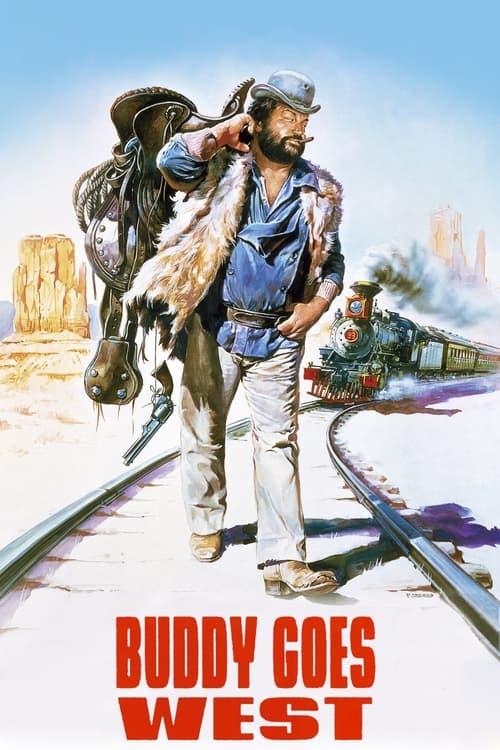
Buddy Goes West is a traditional genre film that relies on the mistaken identity cliché. The plot revolves around an outlaw being mistaken for a healer, emphasizing situational humor over social commentary. While the film includes diverse elements through its Indian companion, it adheres to mid-century genre conventions. It follows established archetypes without attempting to deconstruct systemic power structures. Overall, the film serves as a conventional example. It uses the Western setting and its associated myths without offering a meaningful critique of social or systemic hierarchies.
Category Breakdown
The film follows typical romantic or platonic storylines common in 1980s action-comedies. There is no representation of LGBTQ+ identities or narratives that question straight relationships.
The main character is a traditionally masculine outlaw. The story likely follows conventional gender roles, with female characters having limited influence over the plot.
An Indian companion adds racial diversity to the cast. However, such characters often serve as secondary figures rather than driving the main storyline.
The film sets itself in a Western context based on expansionist legends. It uses standard comedy clichés without challenging Western institutions or capitalism.
There is no indication that disability, neurodivergence, or chronic illness plays a role in the story.
Present on Screen
Limited or Absent
Official Synopsis
Outlaw drifter Buddy is mistaken for a doctor after his Indian companion inadvertently steals a bag of surgical instruments.
1971

1970
1970
1968
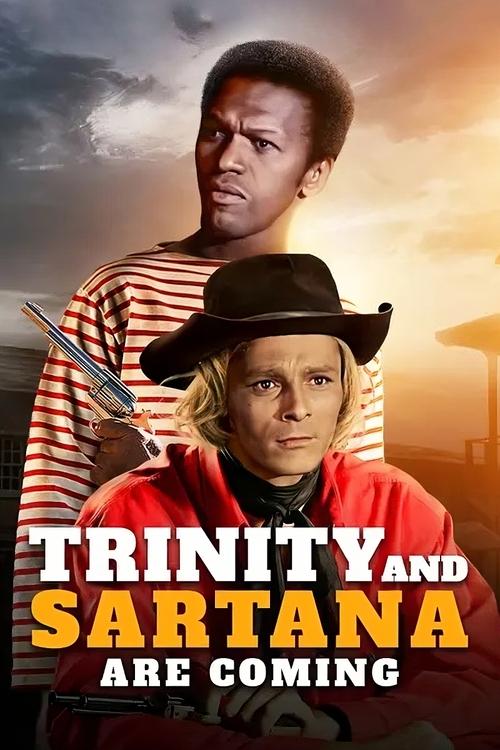
1972
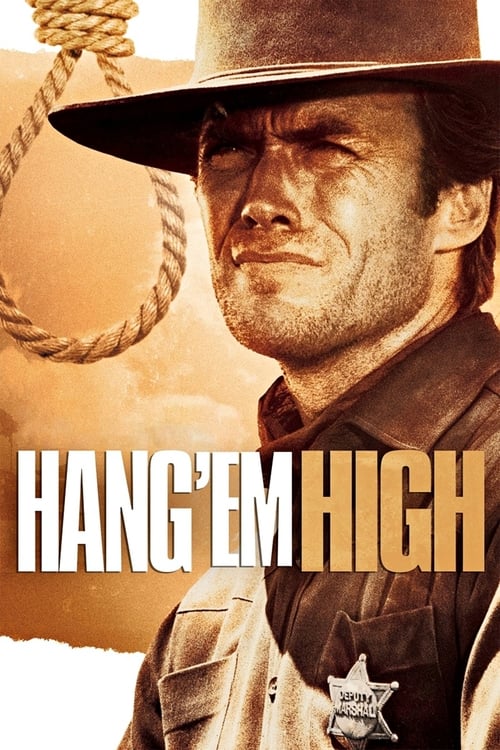
1968
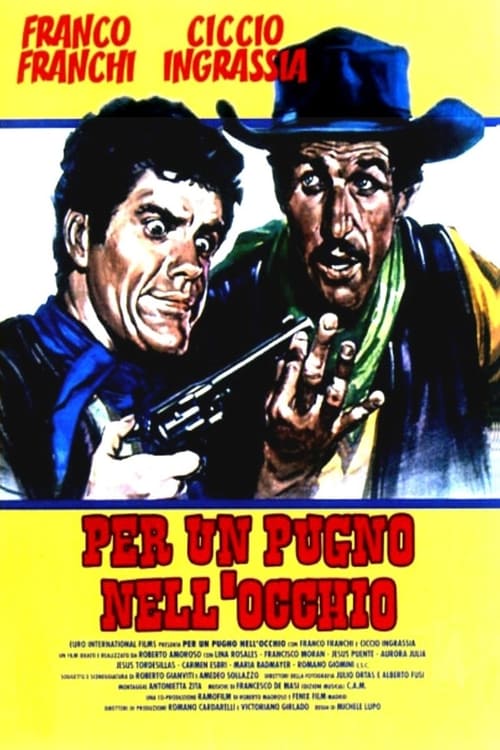
1965
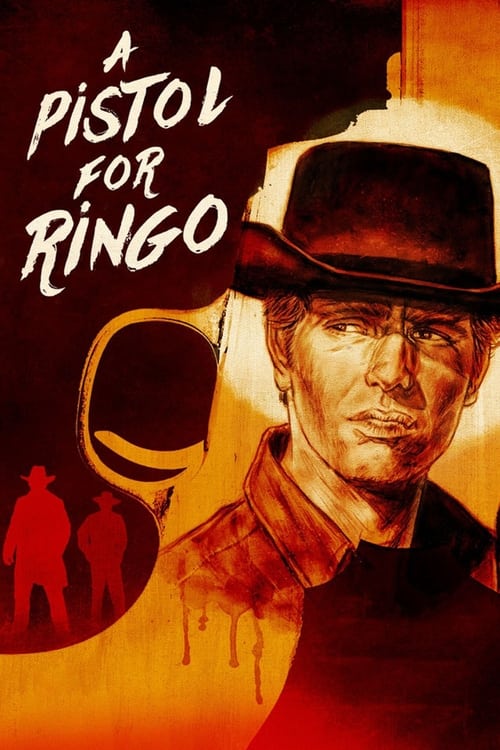
1965
No reviews yet. Be the first to share your thoughts on this movie!
Use the rating form above to leave a star rating and optional review.