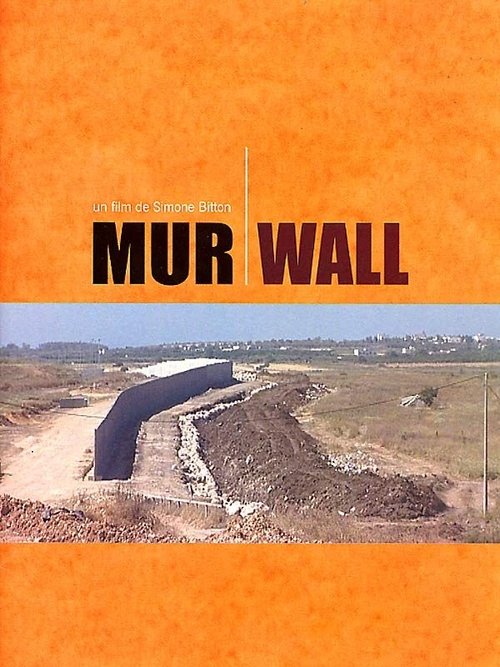
Wall
2004
No user ratings available yet
Representation score: 9.1 out of 10
Representation Score
Fair
2016
Director
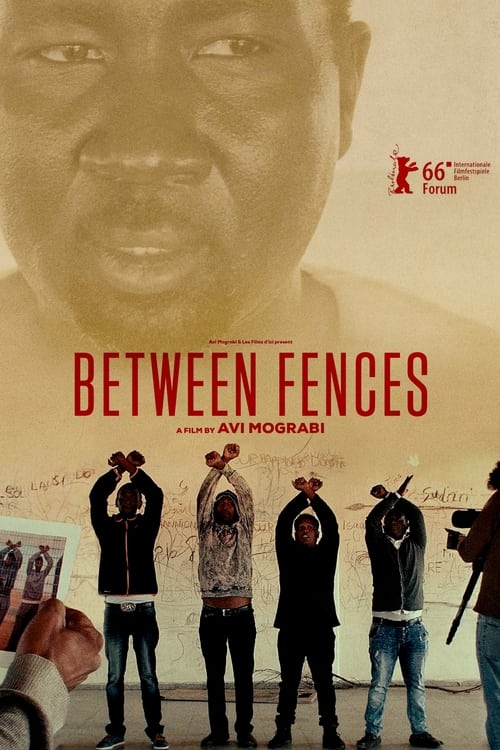
Avi Mograbi
Runtime
85 minutes
Average Rating
No ratings yetNew Showbiz Analysis
Avi Mograbi’s documentary approach aims to deconstruct national narratives and explore geopolitical tensions. Using documentary realism, the film highlights systemic power dynamics and the complexities of identity within contested spaces. By focusing on the metaphorical and physical boundaries of 'fences,' the film emphasizes the friction between state authority and group identity. Although the film lacks specific character-driven data, its thematic structure suggests a deliberate effort to present nuanced views of cultural and ethnic friction.
Category Breakdown
The documentary does not specifically address LGBTQ+ narratives or non-cisgender identities. It focuses more on exploring identity in general rather than confirming these specific themes.
The film includes a variety of voices that challenge traditional patriarchal storytelling. This approach helps to include diverse perspectives that go beyond a single viewpoint.
The film examines how ethnicity and territory intersect, making racial and ethnic identity a key part of the story. It looks at systemic divisions and how they affect people.
The documentary critiques traditional Western or nationalist institutions. It explores the tension between state authority and individual identity, highlighting systemic structures as points of conflict.
There is no specific information about the portrayal of physical or neurodivergent identities. These aspects of representation are not addressed in the film.
Present on Screen
Limited or Absent
Official Synopsis
Avi Mograbi documents an Eritrean and Sudanese asylum seekers’ theatre workshop taking place in an immigration detention centre. In the process, he posits a flurry of questions: What leads men and women to upend their lives and embark on a journey into the unknown? Why does Israel, a country founded by and for refugees, refuse to consider the status of those who have fled war, genocide, and persecution in their native countries, as the mandated by the Refugee Convention? And are Israelis, who work with the asylum seekers, capable of walking a mile in their shoes and relating to their predicament?
2004

2011

2005

2016
2003
2024
1982

2020
No reviews yet. Be the first to share your thoughts on this movie!
Use the rating form above to leave a star rating and optional review.