The Light That Failed
1939
No user ratings available yet
Representation score: 3.5 out of 10
Representation Score
Limited
1943
Director
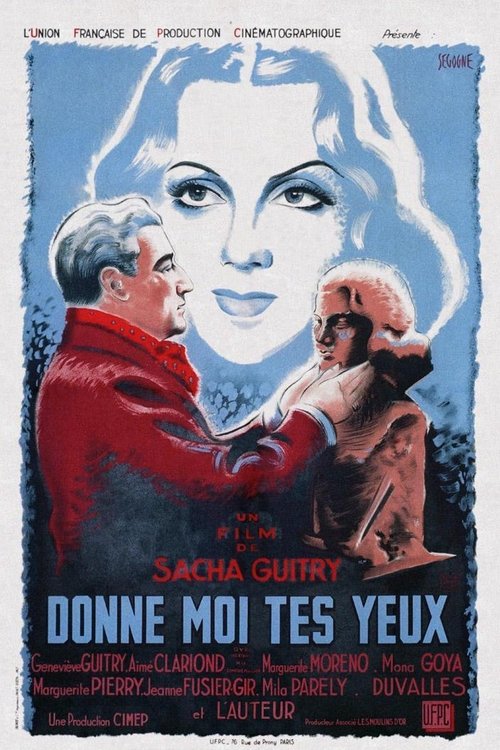
Sacha Guitry
Runtime
101 minutes
Average Rating
No ratings yetNew Showbiz Analysis
Sacha Guitry’s 1943 drama offers a nuanced character study that goes beyond some of its era's limitations. The film's strength lies in its psychological depth, particularly in exploring gendered power dynamics and the lived experience of a sculptor facing vision loss. However, the film reflects a highly homogeneous and Eurocentric social landscape typical of its time. It lacks meaningful racial or LGBTQ+ representation, staying within the boundaries of mid-20th-century social structures. Ultimately, while the film provides a sophisticated look at interpersonal dynamics and disability, its narrow cultural and racial scope limits its overall diversity.
Category Breakdown
The film focuses on traditional romantic and extramarital relationships. There are no characters with non-conventional gender identities or queer storylines.
Female characters actively engage in strategic thinking rather than being passive. They play significant roles in driving the story, but the film remains centered on a bourgeois perspective.
The film portrays a homogeneous, upper-middle-class French society. There are no non-white characters or racial diversity shown.
The narrative centers on individual romantic pursuits and the art of seduction. It operates within the comfort zone of a bourgeois social order, avoiding religious morality.
The protagonist's progressive blindness is part of his identity as a sculptor. The film avoids clichés by focusing on the practical challenges of his condition.
Present on Screen
Limited or Absent
Official Synopsis
A renowned sculptor aged about fifty years, François Bressolles falls for the young Catherine Collet whom he convinces without difficulty to pose for him. Complications ensue when he starts to go blind.
1939
1991
1946

1930
1964
2013
1953

2011
No reviews yet. Be the first to share your thoughts on this movie!
Use the rating form above to leave a star rating and optional review.