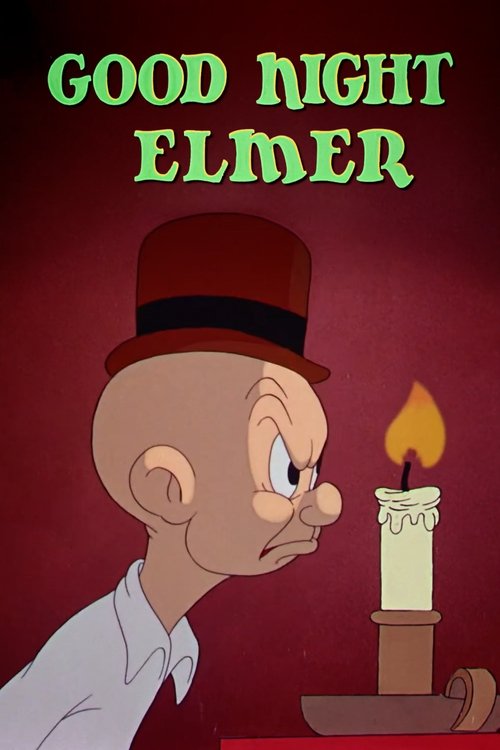
Good Night Elmer
1940
No user ratings available yet
Representation score: 0.3 out of 10
Representation Score
Minimal
1941
ApprovedDirector
Friz Freleng
Runtime
8 minutes
Average Rating
No ratings yetNew Showbiz Analysis
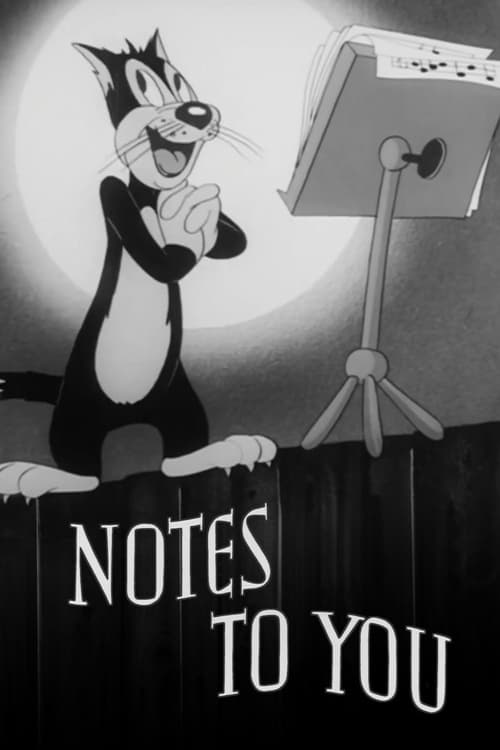
Notes to You is a traditional comedic short that prioritizes slapstick and situational irony. The narrative revolves around a localized conflict between Porky Pig and a disruptive alley cat. Because the film focuses on the struggle for quietude, it lacks complex social or identity-based themes. It functions as a character-driven conflict rather than an exploration of systemic power dynamics. As a 1941 animation, the work relies on established archetypes and adheres to the conventional storytelling structures of its era, focusing on situational frustration.
Category Breakdown
The film focuses entirely on a conflict involving sleep deprivation. There are no depictions of LGBTQ+ identities or narratives addressing the assumption that everyone is straight or cisgender.
The story centers on a male-coded character and an animal antagonist. No female characters or subversions of gender hierarchies are present.
The characters are anthropomorphic animals. There is no evidence of race-bent casting or the use of ethnic metaphors within the narrative.
The plot follows a standard comedic cliché of a nuisance versus a victim. It adheres to traditional social norms without challenging Western institutions.
The narrative does not utilize neurodivergence, physical disability, or sensory impairment as a central character trait or driver.
Present on Screen
Limited or Absent
Official Synopsis
Without success, Porky Pig constantly tries to silence an alley cat who has been disturbing his slumber by constantly singing loudly.
1940
1948
1948
1952
1936
1950
1944
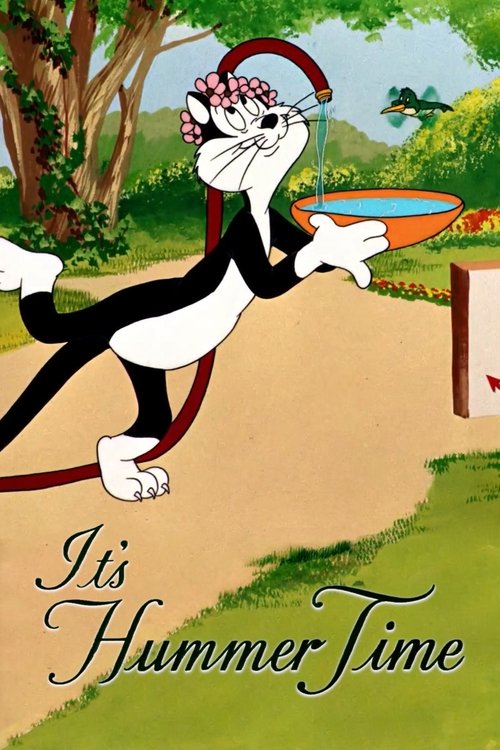
1950
No reviews yet. Be the first to share your thoughts on this movie!
Use the rating form above to leave a star rating and optional review.