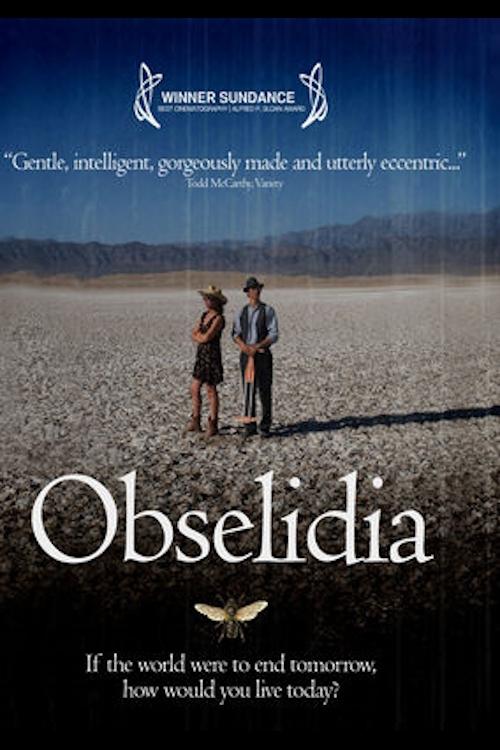
Obselidia
2010
No user ratings available yet
Representation score: 5.0 out of 10

Representation Score
Good
2007
PG-13Director
Will Geiger
Runtime
106 minutes
Average Rating
No ratings yetNew Showbiz Analysis
Elvis & Anabelle successfully challenges traditional clichés, especially those related to gender and social structures. By focusing on the psychological burdens of its main characters, the film goes beyond surface-level portrayals to explore systemic exploitation and domestic trauma. While the film offers a more diverse cast than many regional dramas of its time, it still lacks in-depth engagement with specific identity-based issues, such as LGBTQ+ themes. The narrative's strength lies in its critique of established societal authority and the commodification of feminine beauty standards. Overall, the film serves as a character study of outsiders, trading mainstream spectacle for a deconstruction of the nuclear family and the idealized beauty standards of the American South.
Category Breakdown
The film does not explicitly depict LGBTQ+ identities. The central romantic relationship follows a traditional heterosexual framework between Elvis and Anabelle.
Anabelle is shown under the pressure of pageantry, which takes a physical toll on her. Elvis breaks away from hyper-masculine stereotypes by displaying emotional vulnerability and care.
The cast features diverse actors like Eloise DeJoria and Everett Sifuentes, suggesting a more realistic, multi-ethnic portrayal of the American South compared to typical mid-2000s dramas.
The story critiques traditional Western institutions, presenting the nuclear family as a source of dysfunction. Subjective spirituality is explored through the film's metaphysical elements.
Mental disability is depicted through Elvis’s father, Charlie. The film also delves into neuro-psychological complexity via Anabelle’s struggle with bulimia.
Present on Screen
Limited or Absent
Official Synopsis
A small-town beauty queen and an unlicensed mortician set out across the Texas plains on a journey of self-discovery.
2010

2003

2000

2009
1993

1955

2006

2014
No reviews yet. Be the first to share your thoughts on this movie!
Use the rating form above to leave a star rating and optional review.