
Battle Cries
1999
No user ratings available yet
Diversity score: 5.2 out of 10
1998
RDirector
Bob Gosse
Runtime
93 minutes
Average Rating
No ratings yetSynopsis
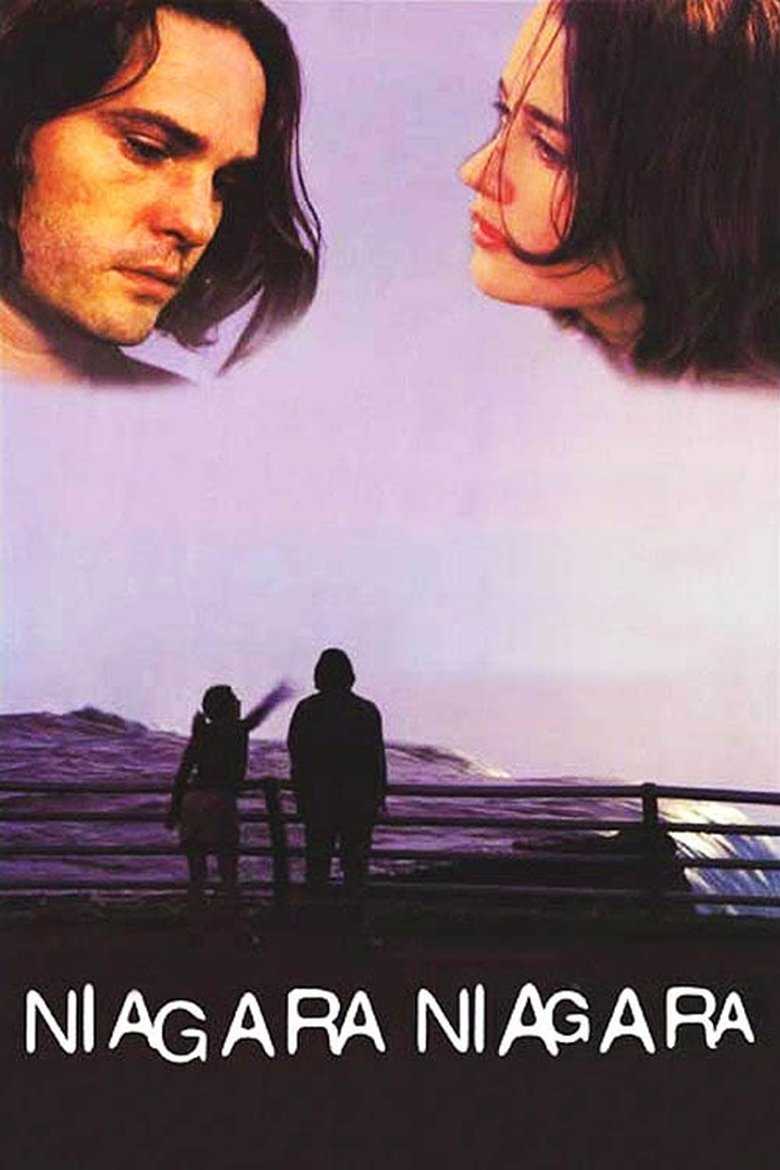
An outsider and a young woman plagued by Tourette's syndrome meet and together journey to Canada.
Overall Score
Fair
Category Breakdown
LGBTQ+ Representation
The film lacks explicit evidence of queer narratives or non-cisnormative identities. The focus remains on a central romantic pairing between an outsider and a woman with a neurological condition.
Gender Representation
The story centers on a female protagonist navigating a world not built for her needs. This grants her narrative centrality rather than using her as a mere romantic catalyst.
Racial & Ethnic Diversity
The cast appears to follow conventional 1990s independent drama patterns, prioritizing homogeneous ensembles. There is no indication of a diverse or non-Anglo-Saxon majority cast.
Religious & Cultural Diversity
The narrative critiques rigid social structures by focusing on characters living on the fringes of society. The journey toward Canada suggests a movement away from traditional domestic constraints.
Disability Representation
Tourette's syndrome is a primary driver of the character arc rather than a background detail. The film prioritizes the lived experience and agency of the neurodivergent protagonist.
Strengths
Areas for Improvement
AI Analysis
Niagara, Niagara succeeds in providing a meaningful platform for neurodivergent agency. By centering the plot on a woman with Tourette's syndrome, the film moves beyond using disability as a mere plot device. However, the film struggles with broader intersectional representation. The lack of visible LGBTQ+ identities and a seemingly homogeneous cast limits its impact on social diversity. Ultimately, the film is a character study of social outsiders. It challenges traditional societal expectations through its focus on marginalized experiences, even if it lacks a diverse racial landscape.
1999

2009

2017
2004
1988

2007

2016
2004
2009

2015
2001
1989
No reviews yet. Be the first to share your thoughts on this movie!
Use the rating form above to leave a star rating and optional review.