
Funeral March
2001
No user ratings available yet
Representation score: 5.6 out of 10
Representation Score
Excellent
2012
Director
Kirstin Marcon
Runtime
94 minutes
Average Rating
No ratings yetNew Showbiz Analysis
The film stands out by avoiding the typical sentimentalism associated with terminal illness stories. By focusing on a protagonist who chooses theft and social disruption over passive suffering, the narrative challenges conventional moral hierarchies. While the film explores transnational settings and non-traditional female roles, it remains centered around a heterosexual romance. This limits its impact on LGBTQ+ representation despite its unconventional approach to social norms. Overall, the work examines situational ethics. It replaces traditional restorative narratives with a framework of individualistic rebellion against medical and financial institutions.
Category Breakdown
The story focuses on a heterosexual relationship between Michael and Sylvie. While there are casual sexual dynamics among secondary characters, the film lacks meaningful LGBTQ+ character roles.
Sylvie is portrayed as an independent, mysterious figure rather than a traditional supporting character. Michael challenges the typical male leadership by being shown in a highly vulnerable state.
The film features a transnational setting, shifting the plot to London and introducing a French character. This international scope highlights cross-cultural interactions.
The narrative emphasizes individual rebellion and moral relativism over traditional religious coping mechanisms. Michael’s theft of medical funds is framed as a means of personal liberation.
The protagonist's terminal illness drives the plot without resorting to 'inspiration porn.' Instead, the illness serves as a catalyst for rebellion against societal norms.
Present on Screen
Limited or Absent
Official Synopsis
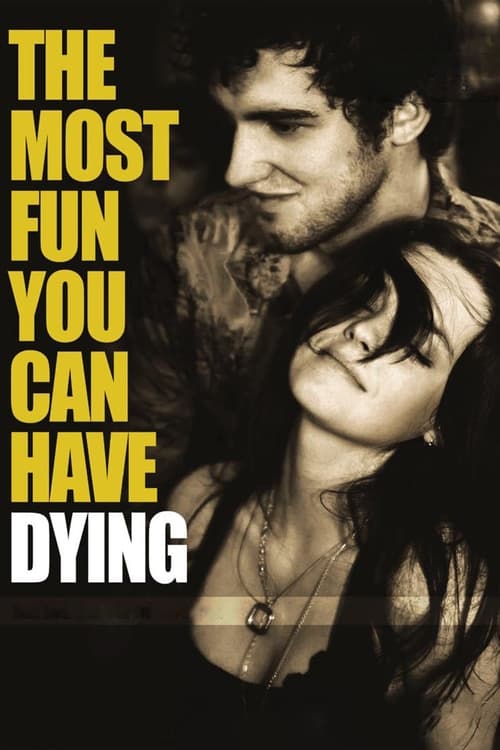
Michael has life pretty sweet. His girlfriend adores him, his best mate David is loyal to the end, plus David’s girlfriend doesn’t mind a quick hook-up either. But Michael’s self-regarding lifestyle comes crashing down when he is diagnosed with a terminal illness. Desperate not to let his life just fade away, Michael steals the $200,000 raised for his treatment, and catches a one-way flight to London. He isn’t there for long before his nerve and sense of humour earn him a vicious beating in a back alley. Waking up cold and bloodied, he finds himself being watched over by the ethereal Sylvie; a mysterious French drifter. They fall head over heels in love, and attempt to outrun death itself.
2001

2017
2011

2009
2009

2020

2007

2006
No reviews yet. Be the first to share your thoughts on this movie!
Use the rating form above to leave a star rating and optional review.