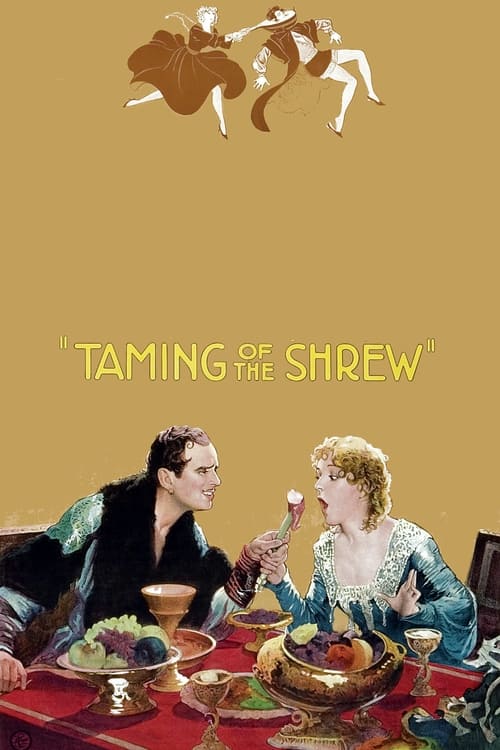
The Taming of the Shrew
1929
No user ratings available yet
Representation score: 0.3 out of 10
Representation Score
Minimal
1921
Director
Robert G. Vignola
Runtime
90 minutes
Average Rating
No ratings yetNew Showbiz Analysis
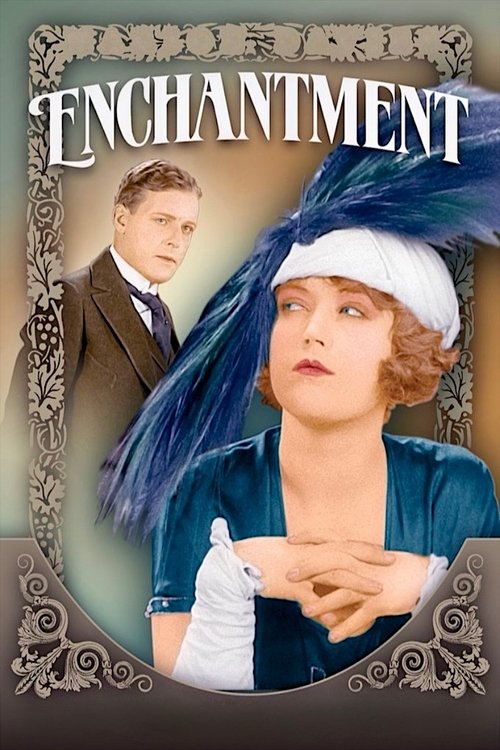
Enchantment is a product of its time, reinforcing the social hierarchies of the early 1920s. By using a 'Taming of the Shrew' framework, the film relies on male intervention to solve character conflicts. The story focuses on reforming a vain flapper through male influence, a cliché that upholds conservative gender expectations. This adherence to established social structures prevents the film from disrupting conventional norms. Overall, the film lacks depth in reflecting multiple aspects of identity, presenting a narrow view that aligns with the era's typical Hollywood clichés and homogeneous casting practices.
Category Breakdown
The film focuses on a relationship that assumes everyone is straight. There are no characters who question traditional gender norms or courtship traditions.
The story reinforces traditional gender roles by showing a woman's vanity as something that needs to be corrected by a man. This follows the 'taming' cliché, which supports conservative views of gender roles.
The film likely sticks to the homogeneous, white-centric casting standards common in 1921 American cinema. There is no indication of diverse casting or roles for non-white actors.
The story follows traditional Western social norms and emphasizes restoring social order. It does not challenge any systemic or secular issues.
There is no information available about the portrayal of physically or neurodivergent characters in this production.
Present on Screen
Limited or Absent
Official Synopsis
The frothy experiences of a vain little flapper. Her father induces an actor friend to become a gentlemanly cave man and the film becomes another variation of the 'Taming of the Shrew' theme.
1929
1926
1926

1934
1935

1928
1931
1917
No reviews yet. Be the first to share your thoughts on this movie!
Use the rating form above to leave a star rating and optional review.