
Sensualidad
1951
No user ratings available yet
Representation score: 3.4 out of 10
Representation Score
Limited
1944
Director
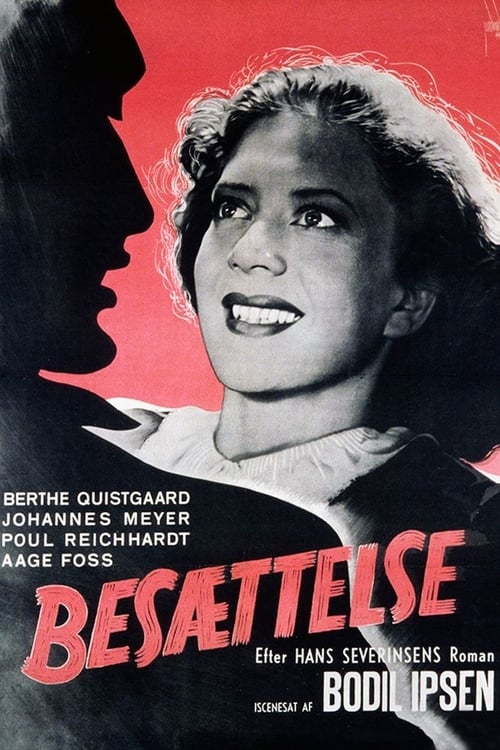
Bodil Ipsen
Runtime
71 minutes
Average Rating
No ratings yetNew Showbiz Analysis
Bodil Ipsen’s direction offers a compelling look at gendered power dynamics, moving away from the era's male-dominated perspectives. The film successfully centers a woman's active role and a man's psychological unraveling, challenging traditional hierarchies. However, the work is constrained by the historical context of 1944 Denmark. The cast lacks racial and ethnic diversity, reflecting the social norms of the time. Additionally, the narrative operates within a strictly heterosexual framework. Overall, the film is a nuanced exploration of individual impulses versus societal norms. Though it does not meet modern diversity standards, its examination of psychological instability marks a progressive shift from mid-century cinematic norms.
Category Breakdown
The story focuses on heterosexual relationships and does not include any LGBTQ+ identities or queer undertones.
Else Petersen plays a significant role in driving the story by navigating social hierarchies for her own benefit. The film challenges traditional male stereotypes by showing the male protagonist's instability.
Set in 1944 Denmark, the cast appears ethnically uniform. There is no indication of racial diversity or non-Anglo-Saxon representation in this historical setting.
The film examines personal morality and obsession with institutional values. It critiques the fragile social structures upheld by the middle-aged manufacturing class.
The film does not provide any information about characters with physical or neurodivergent disabilities.
Present on Screen
Limited or Absent
Official Synopsis
The middle-aged manufacturer Jens Steen is on his way to his summer house on the West Coast to relax. All alone. Meanwhile, 20-year-old Else Petersen is on the hook - and she is looking forward to a holiday with everything paid for. With classic womanizing, she gets in with Jens Steen, who becomes obsessed with her beauty and youth. But when the local Jutland bicycle mechanic turns up the charm, things start to get heated. And before long, Jens Steen has a scandal on his hands, which he can only do one thing to avoid. In 1944, Bodil Ipsen herself directed one of the few film noir dramas in Danish film history. Obsession is an excellent film about the extremes of emotion and the unbearable lightness of life.
1951
1938

1946
1943

1960
1980
1970
1944
No reviews yet. Be the first to share your thoughts on this movie!
Use the rating form above to leave a star rating and optional review.