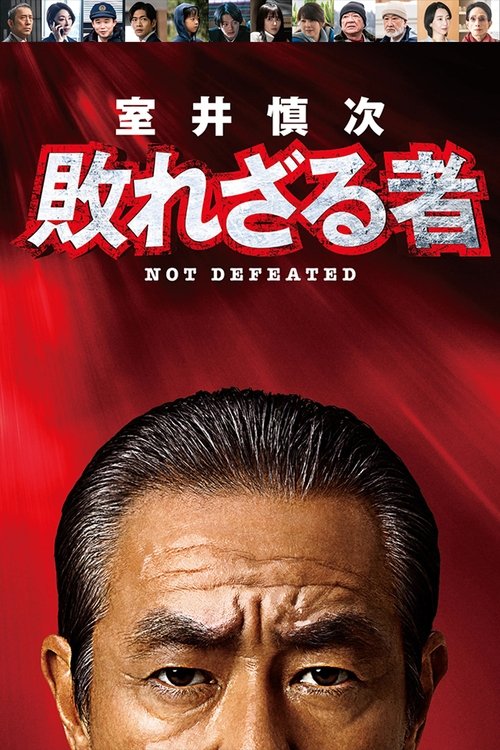
Muroi Shinji: Not Defeated
2024
No user ratings available yet
Representation score: 4.4 out of 10
Representation Score
Fair
2024
Director
Katsuyuki Motohiro
Runtime
117 minutes
Average Rating
No ratings yetNew Showbiz Analysis
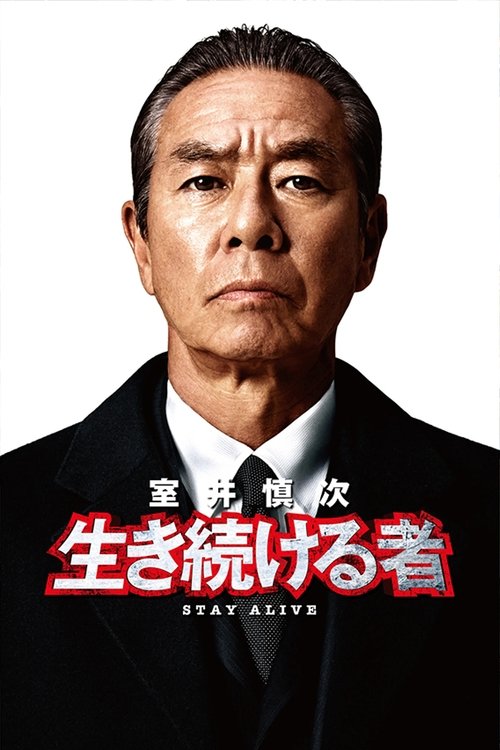
Muroi Shinji: Stay Alive is a character-driven crime drama that prioritizes personal ability to act and the tension between individual morality and institutional rigidity. The film's narrative strength lies in its exploration of unconventional social bonds and professional duty rather than demographic variety. While the production lacks significant racial or LGBTQ+ diversity, it offers a nuanced look at how individuals navigate systemic structures. The focus on chosen family and the evolution of Muroi's personal responsibilities provides a layer of social complexity beyond standard procedural clichés.
Category Breakdown
The film does not include any explicit LGBTQ+ characters or narratives. It focuses on a traditional crime drama framework centered around the protagonist's personal journey.
The story centers on a male protagonist and masculine responsibility. However, female cast members like Miki Maya and Akari Nibu suggest a supporting female presence.
Set in the Tohoku region, the film features a predominantly homogeneous Japanese demographic. It does not appear to pursue a multicultural or multi-layered casting approach.
The narrative explores the friction between individual ethics and institutional authority. It also highlights unconventional kinship through the growth of children Muroi has taken in.
There is no specific evidence regarding the portrayal of physical or neurodivergent disabilities. The film maintains a neutral position without centering disabled ability to act.
Present on Screen
Limited or Absent
Official Synopsis
A body found in the mountains of Tohoku, where Muroi has moved, is linked to the Rainbow Bridge incident. Muroi is asked to return to work, and he ponders whether he can keep his promise to his former colleagues. As the investigation progresses, each of the children Muroi has taken in grows up.
2024

2012

1974

2001

2005
2019

2011

2012
No reviews yet. Be the first to share your thoughts on this movie!
Use the rating form above to leave a star rating and optional review.