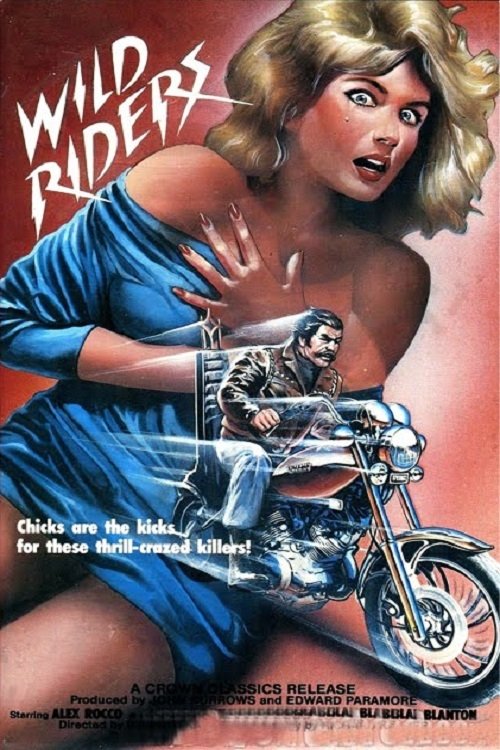
Wild Riders
1971
No user ratings available yet
Representation score: 1.3 out of 10
Representation Score
Fair
1973
Director
Mauricio Walerstein
Runtime
85 minutes
Average Rating
No ratings yetNew Showbiz Analysis
The film stands out as a social commentary, using race and class to dissect the Venezuelan social fabric. By focusing on three men from different backgrounds, it avoids presenting a uniform national identity. However, the film struggles with gender dynamics, often reducing women to passive roles. The absence of LGBTQ+ or disability representation further limits its inclusiveness. Ultimately, the film's strength lies in its critique of bourgeois apathy and political struggle, offering a nuanced view of social hierarchies.
Category Breakdown
The film does not explicitly address queer identities or include non-traditional romantic or sexual encounters. The story focuses on typical heterosexual relationships.
Women in the film mainly serve as objects of desire or catalysts for male development. They often play minor roles in the overall plot and rarely take charge of their own stories.
The story explores racial and class identities through a framework involving three main characters. A mulatto protagonist provides a significant departure from typical casting practices.
The film critically examines capitalist and political systems. It showcases a range of behaviors, from political activism to apathy among the bourgeoisie.
No characters with visible or invisible disabilities are featured in the film, nor do such conditions play a central role in the plot.
Present on Screen
Limited or Absent
Official Synopsis
In Venezuela, one day in 1948 there were born three children all named Victorino: Pérez, mulatto and son of the poor Lucía; Perdomo, son of a middle-class communist who gets arrested; and bourgeois Peralta. On the day of his eighteenth birthday Pérez escapes from prison using lather pretending it to be a rage attack. Peralta shows a friend of his a car he got from his parents. A young lady gives herself to Perdomo as a birthday present. Pérez finds his mistress with another man and wounds her. Pérez and a few others rob an old man while riding on their motorcycles. Perdomo and a bunch of bushwhackers plan to rob a bank. Pérez sees a friend of his smoking pot while Peralta visits a cousin of his and has sex with her. Perdomo’s father, recently elected a communist representative wants to talk him out of his violent ways. Pérez sleeps with three girls and remembers how he once killed a man in the middle of a robbery. Peralta and his friends shoot dogs just for fun. Perdomo and his pals…
1971
1950
1971

1949
1967
1967

1991
1950
No reviews yet. Be the first to share your thoughts on this movie!
Use the rating form above to leave a star rating and optional review.