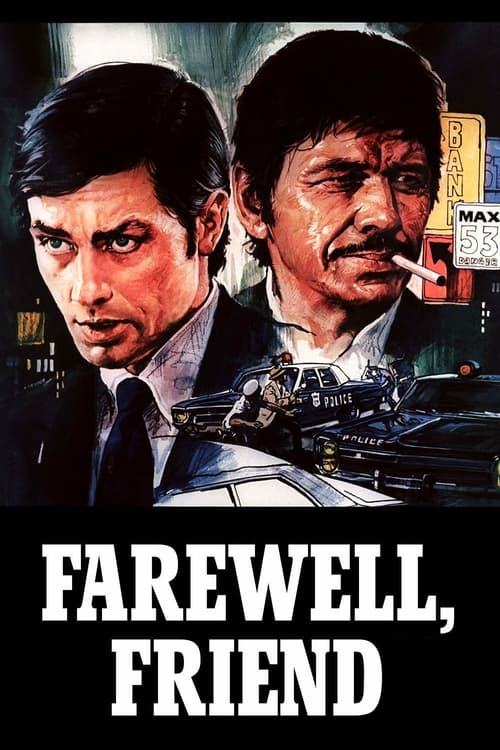
Farewell, Friend
1968
No user ratings available yet
Representation score: 3.5 out of 10
Representation Score
Minimal
1972
RDirector
Rolf Olsen
Runtime
94 minutes
Average Rating
No ratings yetNew Showbiz Analysis
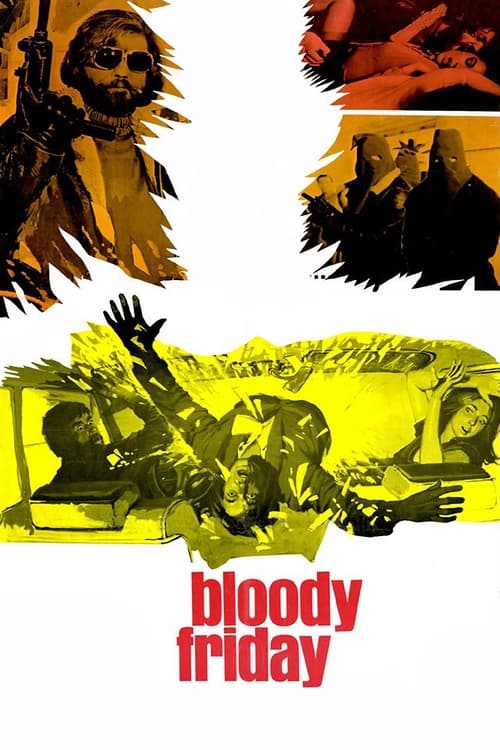
Bloody Friday is a classic 1970s crime thriller that emphasizes fast-paced action and genre standards over social commentary. The plot revolves around a traditional criminal team, focusing on masculine-coded heist strategies and interpersonal tensions. The film reflects the demographic uniformity of mainstream Australian action cinema from its time. It adheres to standard structures, offering little space for diverse perspectives or the dismantling of social norms. Ultimately, the work serves as a straightforward procedural. It lacks the intention to challenge established norms regarding race, gender, or identity, focusing instead on the disruption of order as a plot device.
Category Breakdown
The film follows a typical masculine-focused structure common in 1970s crime thrillers. It doesn't include stories involving LGBTQ+ characters or non-traditional gender identities.
Women are primarily portrayed in supporting roles as girlfriends. The story emphasizes traditional gender roles without giving female characters significant influence over the plot.
The cast mainly consists of actors representing the majority demographic of 1972 Australia. There is no indication of significant racial diversity or multicultural representation in the Sydney setting.
The storyline follows conventional crime thriller formulas without critiquing societal institutions. It functions as a typical thriller without highlighting progressive social themes.
The narrative centers on the mechanics of the heist and interpersonal conflicts. There are no characters with visible or hidden disabilities featured in the story.
Present on Screen
Limited or Absent
Official Synopsis
Womanizing thug Klett is sprung from the courthouse by two accomplices, then sets about planning the big heist of a local bank, equipped with a cache of high-powered weapons he's acquired from an American army outpost. Together with his faithful protégé, who reluctantly on-boards his young girlfriend and her AWOL brother, the quartet bumble their way through the supposedly full-proof plan that aims to deliver them a cool million in cash and a new life in Australia. Predictably, things deteriorate quickly at every turn.
1968
1973
1994

1955
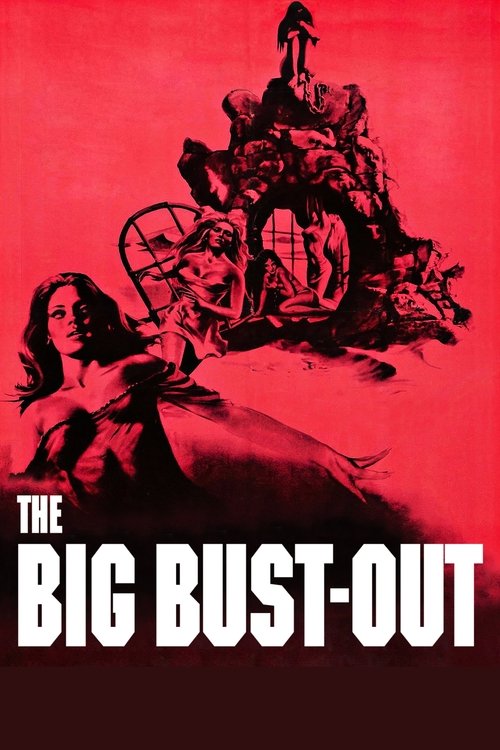
1972

1966
2017

1974
No reviews yet. Be the first to share your thoughts on this movie!
Use the rating form above to leave a star rating and optional review.