
To the Ends of Time
1996
No user ratings available yet
Representation score: 3.1 out of 10
Representation Score
Fair
2005
Director
Alain Guiraudie
Runtime
92 minutes
Average Rating
No ratings yetNew Showbiz Analysis
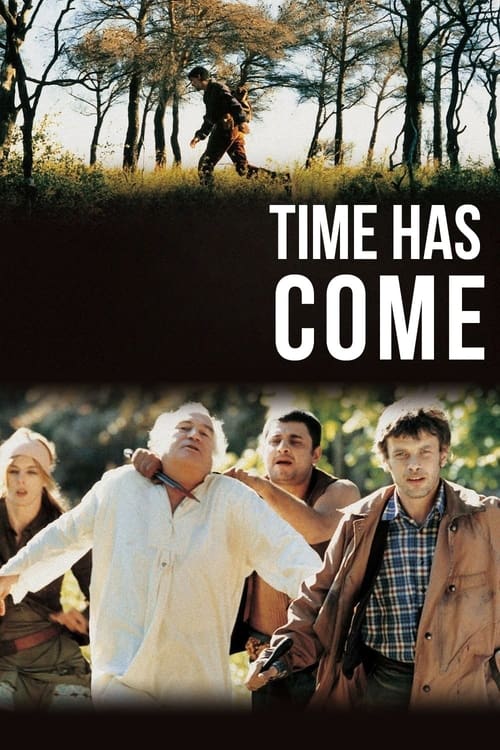
Time Has Come is a minimalist deconstruction of fantasy clichés that replaces high-stakes genre expectations with a study of primal impulses. It excels in its sophisticated engagement with queer theory, centering non-normative desire as a core narrative element rather than a secondary concern. While the film challenges traditional gender hierarchies and avoids rigid moral frameworks, it lacks demographic breadth. The focus remains on a homogeneous, rural population, which limits its racial and ethnic representation. Ultimately, the film is a progressive cinematic inquiry. It uses a secluded setting to strip away civilization, allowing for a focused exploration of human connection and the tension between social structures and individual desire.
Category Breakdown
The film focuses on male-to-male intimacy and portrays queer desire in a naturalistic way without romanticizing it. It presents identity in an isolated landscape, avoiding melodramatic elements.
The movie downplays traditional masculine dominance and emphasizes vulnerability instead. It highlights interpersonal tension and physical connection over the display of patriarchal authority.
The film is set in a rural area with a homogeneous cast. There is no indication of significant racial or ethnic diversity or intentional casting to break norms.
The narrative avoids imposing a single religious or traditional morality. Instead, it explores sexual transgression and social isolation using a lens of moral relativism.
There is no evidence that visible or invisible disabilities play a central role or drive the narrative in this work.
Present on Screen
Limited or Absent
Official Synopsis
In a time and place indeterminate a bandit has kidnapped Rixo Lomadis Bron’s daughter. Bron is a wealthy landowner who reigns over the shepherds of the Purple Mountain. The time has come when Rixo Lomadis Bron accuses Manjas-Kebir of killing his daughter and urges all the country’s inhabitants to track down the assassin. It’s the time when Radovan Remila Stoï, the land’s greatest warrior, rises up against this foolhardy act which has every chance of leading to war...
1996
1924
2023
1924

1979
1985
2015
2007
No reviews yet. Be the first to share your thoughts on this movie!
Use the rating form above to leave a star rating and optional review.