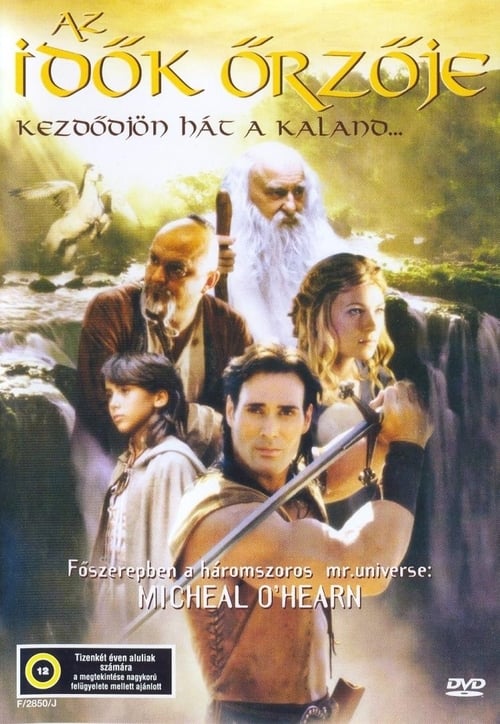
The Keeper of Time
2004
No user ratings available yet
Representation score: 2.5 out of 10

Representation Score
Limited
1996
PGDirector
Markus Rothkranz
Runtime
92 minutes
Average Rating
No ratings yetNew Showbiz Analysis
To the Ends of Time operates within the conventional boundaries of mid-90s fantasy cinema. The narrative relies heavily on established archetypes that prioritize traditional gender roles and singular moral objectives. The film's structure reinforces a hierarchy where the male protagonist holds primary ability to act. This approach limits the depth of character development for the female lead and avoids exploring diverse social or romantic frameworks. Ultimately, the work offers little disruption to historical or social hierarchies, favoring a standard struggle between good and evil over more complex, inclusive storytelling.
Category Breakdown
The story focuses on a traditional romance between a young boy and a princess. It does not include any depictions of LGBTQ+ identities or queer characters taking control of their stories.
The film follows a classic heroic archetype where a male protagonist drives the plot. The female princess serves mainly as a motivation or prize rather than as a self-driven individual.
Set in a mythical kingdom, the film seems to rely on homogeneous, Eurocentric fantasy clichés. There is no indication of intentional racial blending or diverse ethnic representation.
The narrative adheres to standard high-fantasy morality and traditional themes of heroism. It does not critique systemic power or deconstruct Western institutions.
The film does not depict any characters navigating physical, sensory, or neurodivergent experiences. There is no visible representation of disability.
Present on Screen
Limited or Absent
Official Synopsis
In a mythical kingdom, a young boy must fight time for the love of his princess and the future of his land.
2004

1977

1999

1975
2003

1991
1991

2005
No reviews yet. Be the first to share your thoughts on this movie!
Use the rating form above to leave a star rating and optional review.