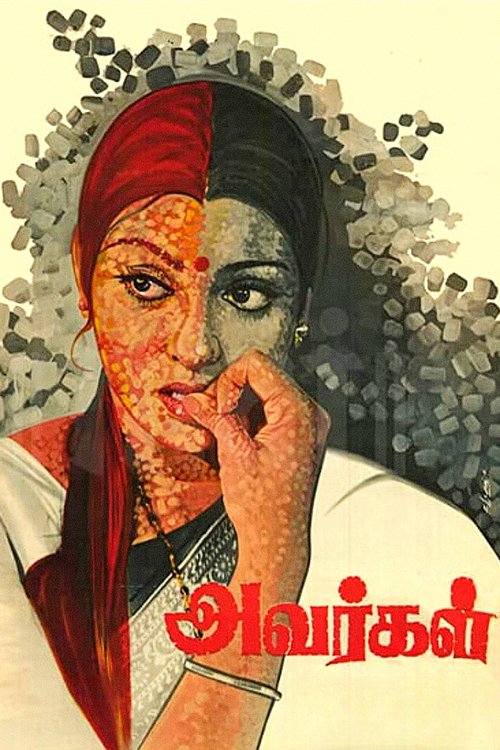
Avargal
1977
No user ratings available yet
Representation score: 5.1 out of 10

Representation Score
Fair
1977
Director
A. Bhimsingh
Runtime
130 minutes
Average Rating
No ratings yetNew Showbiz Analysis
Bhimsingh’s drama serves as a transitional social piece that challenges the idealized family cliché. It highlights the harsh reality of how traditional social structures can fail individuals, especially women. The film emphasizes the protagonist's journey toward autonomy, offering a nuanced look at female resilience. This focus allows the narrative to deconstruct conventional expectations of female roles in 1970s South Indian cinema. However, the work remains limited by its era, lacking representation of broader identity politics or multi-layered complexities.
Category Breakdown
The film does not include any representation of non-straight relationships or gender identities outside the norm. The story focuses solely on traditional interpersonal relationships and gender-based conflicts.
The main character challenges traditional stereotypes by asserting her independence after experiencing systemic trauma. Her journey shifts from relying on male protection to becoming self-reliant and resilient.
The story is set in a specific Tamil cultural context and provides an authentic, localized perspective by focusing on the intricacies of a Tamil Brahmin household.
The film criticizes the strict, judgmental structures of the traditional family unit. It portrays the family as a source of displacement rather than a sanctuary.
There is no mention of characters with visible or invisible disabilities within the narrative.
Present on Screen
Limited or Absent
Official Synopsis
A university student from an orthodox Tamil Brahmin family is sexually abused by a stranger who offers her lift on a rainy night, then kicked out of her family for it. After all this she becomes determined to make it on her own.
1977

2017

1989

2016
2015
1968
1997
1986
No reviews yet. Be the first to share your thoughts on this movie!
Use the rating form above to leave a star rating and optional review.