
Leo the Lion: King of the Jungle
1994
No user ratings available yet
Diversity score: 3.1 out of 10
1981
Director
Tadashi Imai
Runtime
86 minutes
Average Rating
No ratings yetSynopsis
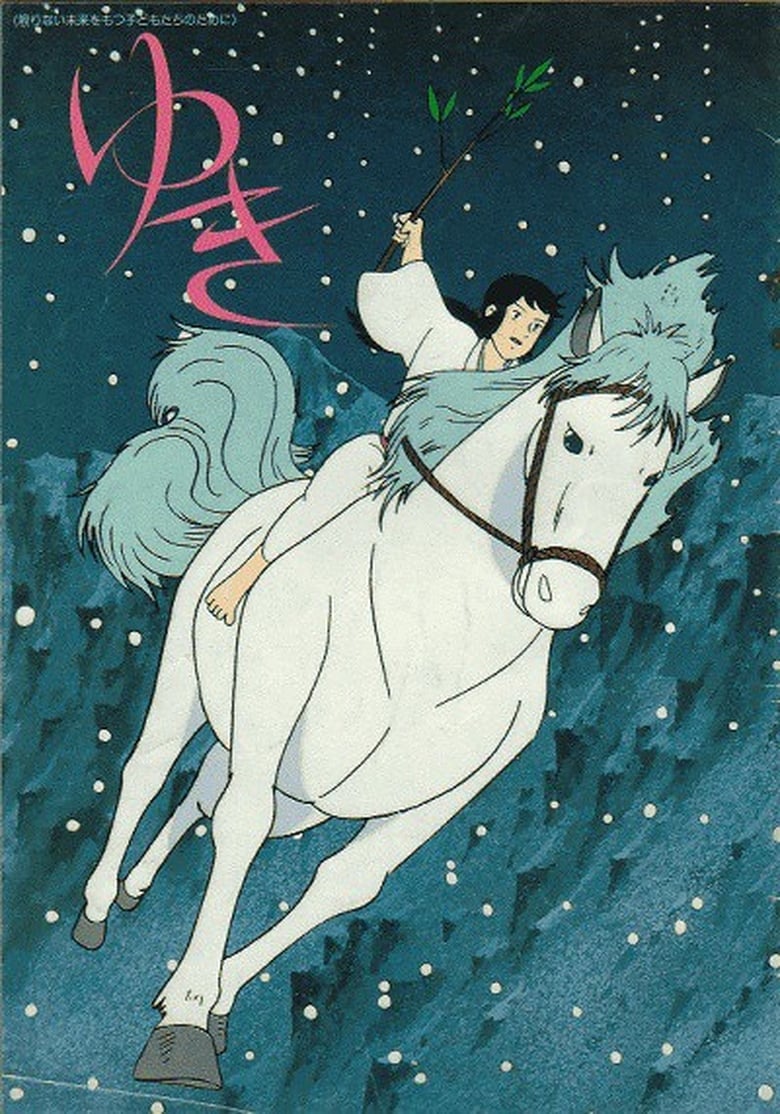
Up in Heaven, Yuki’s grandparents decide that, having turned thirteen years old, she must go down to Earth to a village that is torn by bandits and intervene to save its people. However if she does not succeed within one year she will become as insubstantial as the wind. Down in the village, Yuki is befriended by a group of orphans whose parents have all been killed by the bandits and who now subsist by begging. Yuki amazes them by taming the wild horse Blizzard. She is instrumental in getting the orphans and farmers to stand up to first the warring bandits and then Goemon, the greedy lord that owns the region. But Yuki must face her greatest challenge yet when the displeased Demon God that lives in the volcano emerges to destroy those who live beneath.
Overall Score
Fair
Category Breakdown
LGBTQ+ Representation
The film follows a traditional mythological framework centered on a singular protagonist. There is no evidence of LGBTQ+ characters or narratives critiquing heteronormativity.
Gender Representation
Thirteen-year-old Yuki serves as a decisive savior and leader. She subverts traditional hierarchies by possessing the agency to tame wild elements and orchestrate a collective uprising.
Racial & Ethnic Diversity
This Japanese production offers a non-Western perspective on heroism. The story focuses on local communal identity rather than a Western-centric hero's journey.
Religious & Cultural Diversity
The narrative critiques systemic oppression by pitting marginalized farmers against a corrupt ruling class. A mythic Demon God introduces a subjective morality rather than rigid doctrine.
Disability Representation
The story contains no evidence regarding the portrayal of physical, neurodivergent, or mental health conditions.
Strengths
Areas for Improvement
AI Analysis
Yuki (1981) stands out for its subversion of gendered leadership roles. By placing a young girl at the center of a social revolution, the film moves away from traditional patriarchal tropes where physical prowess is reserved for men. The film also provides a meaningful critique of centralized power. The conflict between the marginalized village and the greedy Lord Goemon highlights themes of class struggle and communal resistance. However, the narrative lacks breadth in other areas of identity. There is no visible representation for LGBTQ+ communities or individuals with disabilities, leaving the film's social scope somewhat narrow.
1994
1981

2021
1987

1980

1995
2002

1980

1990
2010
No reviews yet. Be the first to share your thoughts on this movie!
Use the rating form above to leave a star rating and optional review.