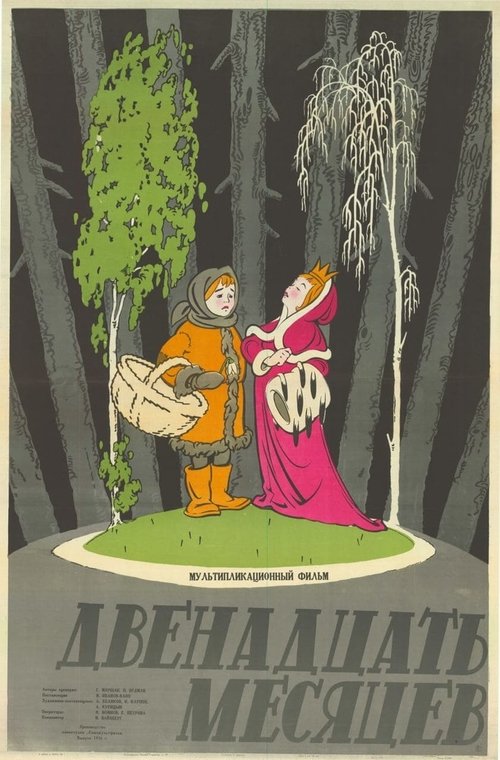
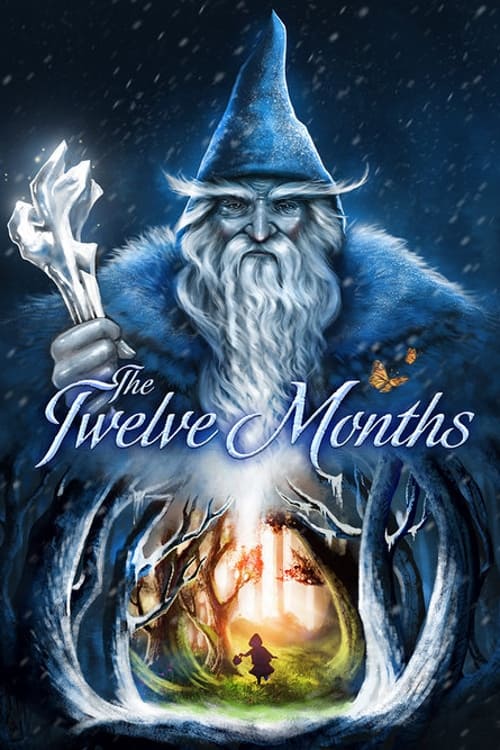
The Twelve Months
1956
No user ratings available yet
Representation score: 1.1 out of 10
Representation Score
Limited
1980
Director
Kimio Yabuki, Yugo Serikawa, Tetsuo Imazawa
Runtime
65 minutes
Average Rating
No ratings yetNew Showbiz Analysis
Twelve Months operates as a classic moral fable, prioritizing seasonal themes and survival over social subversion. The narrative strength lies in its female-led journey through a hostile environment, providing the protagonist with more control than typical passive heroines of the era. However, the film remains limited by its adherence to traditional folkloric structures. It lacks complexity in reflecting multiple aspects of identity and offers a universalized fantasy setting that avoids specific cultural or identity-based depth. Ultimately, the film is a straightforward adventure that explores individual virtue against greed, staying within the conventional bounds of 1980s animated storytelling.
Category Breakdown
The film lacks LGBTQ+ characters or narratives. The story focuses on a traditional protagonist and antagonist dynamic within a seasonal fantasy setting.
A female protagonist drives the narrative, navigating systemic neglect and survival. Her successful mission suggests a level of control and resilience beyond passive fairy tale clichés.
The production features a Japanese creative team, yet the setting feels universalized. The characters appear to follow traditional, non-diverse fantasy archetypes common to 1980s animation.
The story explores morality by contrasting selfless virtue against communal greed. It functions as a traditional moral fable rather than a critique of specific institutional norms.
There is no explicit depiction of physical, sensory, or neurodivergent disabilities. The protagonist's struggle with extreme cold is a survival cliché rather than a representation of disability.
Present on Screen
Limited or Absent
Official Synopsis
A young queen requests a bouquet of snowdrop flowers for New Year's Day in exchange for a reward. One greedy woman sends her stepdaughter, whom she does not like, to look for the flowers in a cold forest, knowing the task will be impossible for her. The girl almost freezes to death in the forest, but she is rescued by the spirits of the Twelve Months, who create spring around her. The girl is able to deliver the bouquet to the queen, but others want a share of the reward.
1956

1957

1973
2002
2014
1977
1952

1994
No reviews yet. Be the first to share your thoughts on this movie!
Use the rating form above to leave a star rating and optional review.