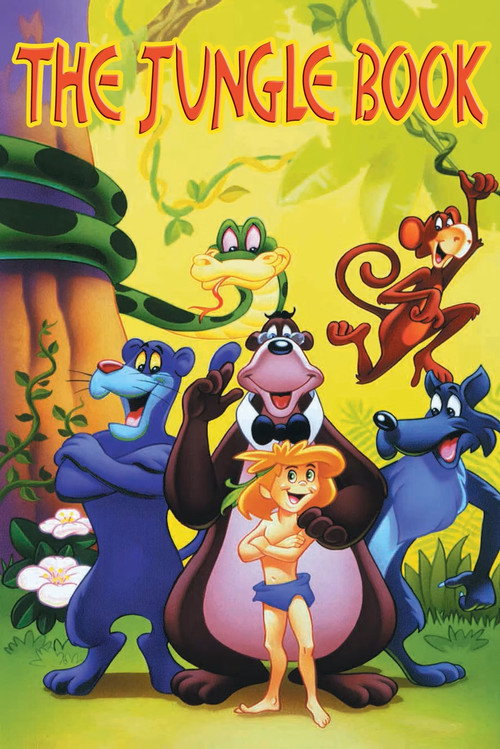
Jungle Book
1990
No user ratings available yet
Representation score: 3.9 out of 10
Representation Score
Fair
1995
NRDirector
Takashi Masunaga, Toshiyuki Hiruma
Runtime
48 minutes
Average Rating
No ratings yetNew Showbiz Analysis
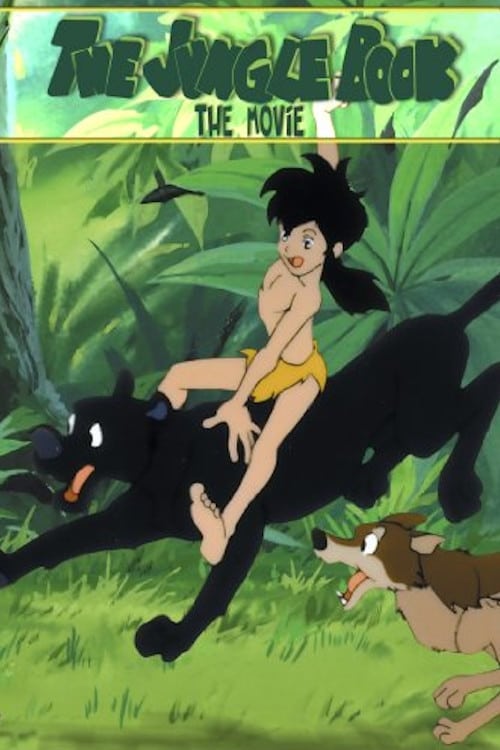
This Japanese animation offers a non-Western perspective on classic folklore, focusing on a non-human social structure. The narrative explores the concept of 'otherness' through Mowgli's integration into a wolf pack. While the film successfully moves away from traditional human-centric hierarchies, it lacks explicit multi-layered complexity. The representation remains largely metaphorical, relying on animal dynamics rather than diverse human identities. Ultimately, the film provides a moderate level of representation by emphasizing communal kinship over the nuclear family model.
Category Breakdown
The film does not explicitly depict LGBTQ+ identities or relationships that challenge the assumption that everyone is straight or cisgender. The theme of chosen family through the wolf pack is present but not intentionally used to subvert traditional norms.
A maternal wolf figure serves as a primary decision-maker and protector for Mowgli. However, the narrative lacks broader challenges to gender hierarchies and offers limited nuanced portrayals of masculinity.
The story uses a non-human cast to explore themes of otherness. Mowgli’s status as a 'man cub' acts as a metaphor for navigating different social identities within a non-human society.
The film disrupts Western nuclear family norms by prioritizing a communal, pack-based structure. It focuses on survival within a social system fundamentally different from human civilization.
There are no visible or invisible disabilities portrayed in the narrative. Characters are defined by their roles within the pack hierarchy rather than physical or neurodivergent traits.
Present on Screen
Limited or Absent
Official Synopsis
When Mowgli was just a baby, or as his adopted parents call him, a "man cub," Shere Khan the tiger went after Mowgli's mother and father. Baby Mowgli wondered off into the den of a wolf family with newly arrived cubs. The mother wolf wants to add Mowgli to her pack of cubs and when the others see how brave Mowgli is, they agree. Shere Khan, having been searching for the baby since he attacked the parents, finally finds him in the wolf den. When the wolves protect him, Shere Khan vows to hunt Mowgli down someday and becomes driven to destroy him.
1990
1942
1994

1981
1990
1967
2003
1994
No reviews yet. Be the first to share your thoughts on this movie!
Use the rating form above to leave a star rating and optional review.