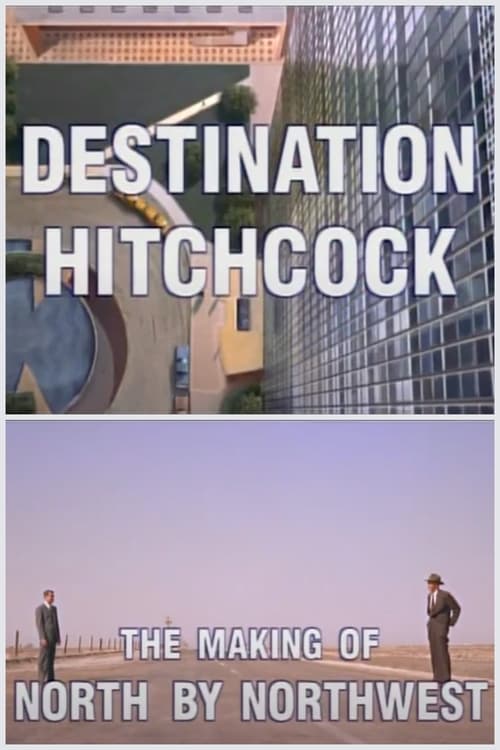
Destination Hitchcock: The Making of 'North by Northwest'
2000
No user ratings available yet
Representation score: 1.2 out of 10
Representation Score
Limited
1997
Director
Harrison Engle
Runtime
30 minutes
Average Rating
No ratings yetNew Showbiz Analysis
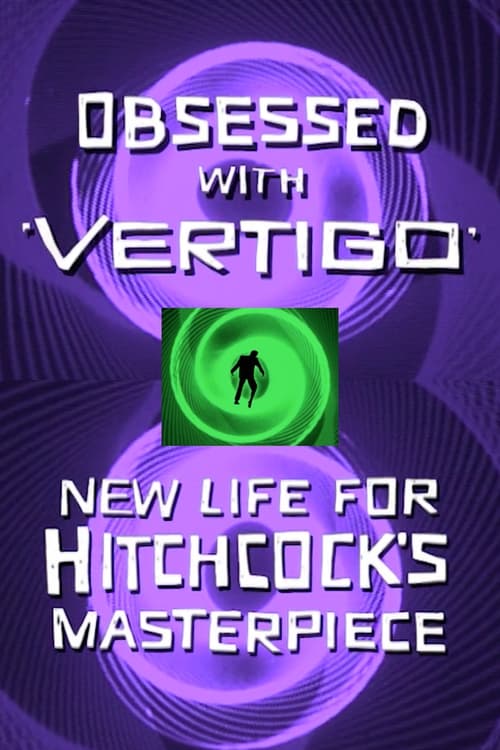
Obsessed with Vertigo is a historical retrospective focused on the technical preservation of Alfred Hitchcock's work. Reflecting the era it documents, the film mirrors the structural lack of diversity present in 1950s Hollywood. By featuring prominent women such as Kim Novak, the documentary provides a necessary counter-perspective to the era's male-centric industry. However, it remains an observational study of a period defined by homogeneity. Ultimately, the film serves as a scholarly archive rather than a tool for social critique, preserving the legacy of the studio system without addressing its historical limitations.
Category Breakdown
The documentary focuses on the technical restoration of a mid-century masterpiece and does not include any LGBTQ+ characters or narratives.
Kim Novak and Patricia Hitchcock contribute important perspectives on the production, helping to disrupt the traditionally male-dominated view of film history.
The film highlights the demographic homogeneity of 1950s Hollywood, serving as a record of a historically non-diverse studio system.
It celebrates traditional cinematic institutions and artistic hierarchies, functioning as a preservation of Hollywood's cultural heritage.
The documentary does not address themes of disability or neurodivergence, which are not central to its subject matter.
Present on Screen
Limited or Absent
Official Synopsis
A documentary about the making and restoration of Alfred Hitchcock's masterpiece "Vertigo." Narrated by Roddy McDowall, with behind-the-scenes talk from Barbara Bel Geddes, Henry Bumstead, Robert A. Harris, Patricia Hitchcock, James C. Katz, Kim Novak, Peggy Robertson and Martin Scorsese. Brings fresh perspective, not just to the film and the director, but to the Fifties Hollywood as well.
2000
2015
2000

2017
2000
2005
2004
2021
No reviews yet. Be the first to share your thoughts on this movie!
Use the rating form above to leave a star rating and optional review.