
Ghost in the Shell: Stand Alone Complex - Solid State Society
2007
No user ratings available yet
Representation score: 8.8 out of 10
Representation Score
Excellent
2017
Director
Hiroaki Higashi
Runtime
16 minutes
Average Rating
No ratings yetNew Showbiz Analysis
The film uses high-concept science fiction to challenge conventional social structures. By focusing on brain cyberization and prosthetic bodies, it questions traditional biological and gender hierarchies. The narrative goes beyond simple representation to explore how technology redefines the individual. While the film effectively challenges gender norms through its powerful female lead, it remains somewhat vague about specific racial compositions and LGBTQ+ character arcs. However, the thematic focus on identity fluidity offers a sophisticated backdrop for diverse perspectives.
Category Breakdown
The film focuses on a full-cyborg protagonist, which challenges traditional definitions of the human body. While specific romantic orientations aren't detailed, the concept of digital consciousness allows for exploring identities beyond traditional gender roles.
Motoko Kusanagi holds a position of systemic authority as the leader of Section 9. She drives the plot through her tactical command and physical strength.
The film's setting includes international dignitaries from the Republic of Kuzan, indicating a global political landscape. Cyberization serves as a metaphor for the blending of identities within a digital society.
The narrative explores the tension between state power and individual freedom. It prioritizes technological advancement over traditional biological sanctity, reflecting a secular and post-humanist worldview.
Cybernetic enhancements are presented as a standard part of life, not as impairments. This normalization of mechanical enhancements ensures that augmented characters are fully integrated into society.
Present on Screen
Limited or Absent
Official Synopsis
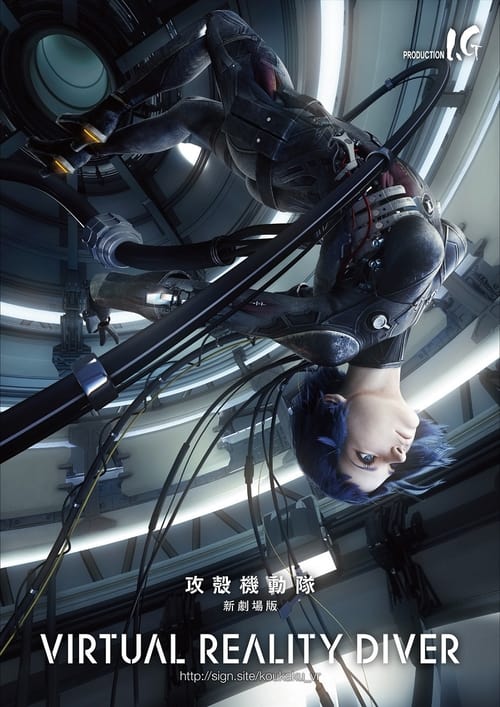
Japan, 2025. Technology has been advancing more and more rapidly. "Brain cyberization" that makes possible direct connections to information networks via the brain, the technology of "prosthetic bodies" that allows humans to change their body parts into cybernetical ones; in this world where such scientific advances have become common, a bombing attack threat is sent to the Japanese government. The target is an international meeting involving dignitaries from the Republic of Kuzan. The case is entrusted to the Ministry of Home Affairs' Public Security Section 9. Section 9's leader, the full-cyborg Motoko Kusanagi, assembles her team and heads off to trap and eliminate the terrorist.
2007

2013

2013

2015

2015

2005

1995

2014
No reviews yet. Be the first to share your thoughts on this movie!
Use the rating form above to leave a star rating and optional review.