
Oslo
2021
No user ratings available yet
Representation score: 6.7 out of 10
Representation Score
Limited
2012
Director
Dror Zahavi
Runtime
90 minutes
Average Rating
No ratings yetNew Showbiz Analysis
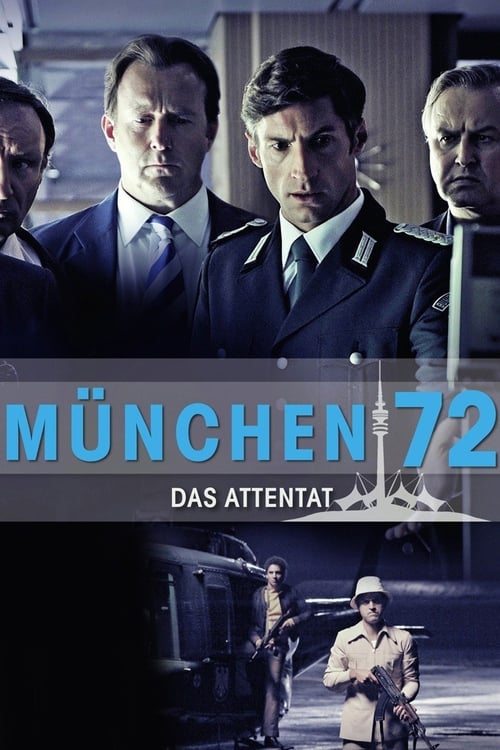
München '72 - Das Attentat is a traditionally cast film that emphasizes historical accuracy over contemporary diversity standards. The cast and character dynamics largely reflect the social structures and racial homogeneity of 1972 West Germany. The film stands out for its thematic depth. It avoids clichéd heroic narratives, instead using the Olympic tragedy to question the ethics of state power and the erosion of legal boundaries. While it lacks representation for LGBTQ+ and disabled individuals, it provides a progressive examination of authority and systemic issues.
Category Breakdown
The film contains no LGBTQ+ characters or storylines. It focuses entirely on the geopolitical and tactical realities of the 1972 Olympics.
Anna Gerbers is the only female character with a significant role, serving as a negotiator. The main plot revolves around male-dominated tactical and intelligence units.
The cast primarily features white actors representing the West German security forces of the time. Palestinian characters play key roles but are portrayed as investigative targets.
The narrative offers a nuanced critique of Western institutions and extrajudicial actions. It delves into the moral ambiguity and psychological impact of state-sanctioned retribution.
There is no representation of physical or neurodivergent disabilities among the main cast or character arcs.
Present on Screen
Limited or Absent
Official Synopsis
Munich 1972: The Olympic Games are supposed to show the world a new, different Germany: the spirit of Munich - cosmopolitan, relaxed and free. But then the unthinkable happens: in the early hours of September 5, Palestinian terrorists enter the Olympic Village and storm the Israeli team's quarters. Shortly afterwards, security forces find a dead Israeli. The rest of the team is in the hands of men who clearly have nothing to lose. When the leader of the terror squad asks for a negotiating partner, the young policewoman Anna Gerbers, who originally came to Munich as a steward for the games, volunteers.
2021
2015
2013
2015

1976
2009
1996

2018
No reviews yet. Be the first to share your thoughts on this movie!
Use the rating form above to leave a star rating and optional review.