Sword of Gideon
1986
No user ratings available yet
Representation score: 1.1 out of 10
Representation Score
Limited
1976
Not RatedDirector
William A. Graham
Runtime
101 minutes
Average Rating
No ratings yetNew Showbiz Analysis
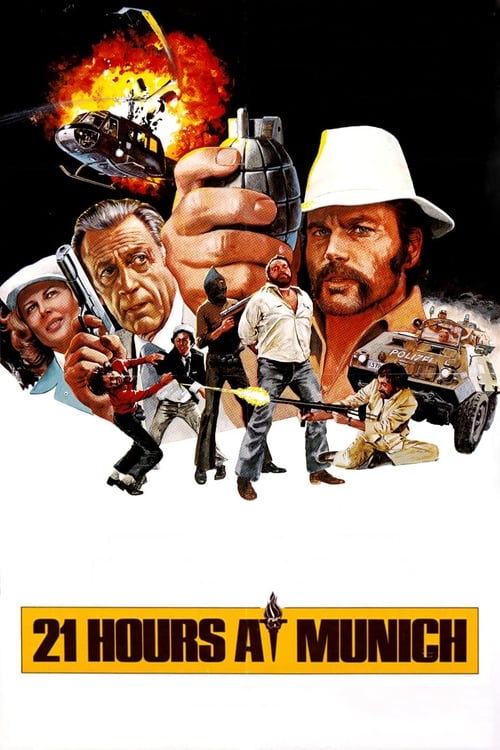
21 Hours at Munich is a traditional historical drama that emphasizes the high-stakes tragedy of the 1972 Olympic massacre over identity-based storytelling. The film adheres to the cinematic conventions of the mid-1970s, focusing on national and ethnic identities relevant to the geopolitical conflict. While the subject matter requires the inclusion of Arab and Israeli perspectives, the film lacks intentional multi-layered depth. It functions as a typical thriller where roles of authority are primarily reserved for men in security and combat positions. Overall, the production does not disrupt social hierarchies through progressive casting or narrative structures, instead presenting a conventional portrayal of a historical crisis.
Category Breakdown
The film does not include any LGBTQ+ characters or stories about non-cisgender identities. The plot focuses solely on the geopolitical events of the 1972 Munich Olympics massacre.
Men hold the primary roles of authority and combat, while women are portrayed in supporting roles without challenging traditional gender power dynamics.
The story highlights the tension between Arab militants and Israeli athletes during the 1972 Munich Olympics. It provides visibility to non-Western actors but follows conventional geopolitical drama themes.
The narrative is framed from a Western perspective, focusing on the breakdown of international security during the 1972 Munich Olympics. It does not promote secular or anti-capitalist viewpoints.
There are no neurodivergent or physically disabled characters with significant roles. Disability may be shown as a result of trauma rather than an identity.
Present on Screen
Limited or Absent
Official Synopsis
A dramatization of the incident in 1972 when Arab terrorists broke into the Olympic compound in Munich and murdered 11 Israeli athletes.
1986

1977
2019
2024

1990
2017
1999
2012
No reviews yet. Be the first to share your thoughts on this movie!
Use the rating form above to leave a star rating and optional review.