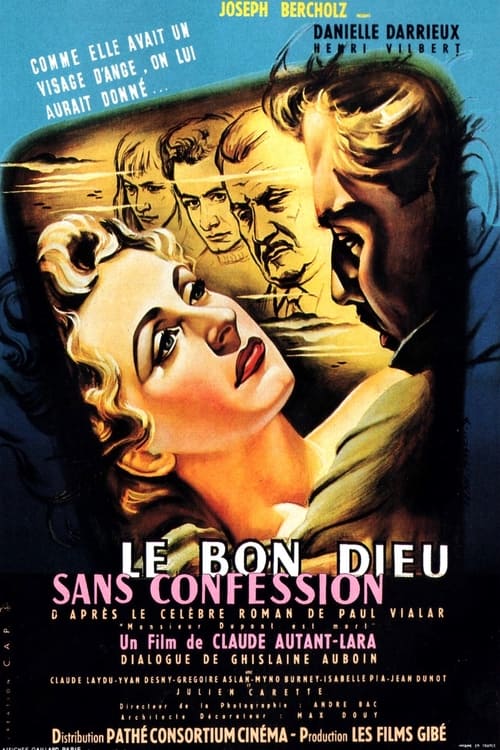
Good Lord Without Confession
1953
No user ratings available yet
Representation score: 4.8 out of 10
Representation Score
Limited
1951
Director
Jean Grémillon
Runtime
85 minutes
Average Rating
No ratings yetNew Showbiz Analysis
Jean Grémillon’s drama stands out for its psychological depth and its refusal to moralize the protagonist's actions. By focusing on Irène's journey towards freedom, the film challenges the era's typical clichés of the submissive wife. Despite lacking modern markers of diversity such as racial or LGBTQ+ representation, the film effectively critiques oppressive social structures. It offers a nuanced psychological study rather than a simplistic moral lesson. Ultimately, the film's strength lies in its character-driven exploration of personal freedom, even though it remains rooted in a traditional social context.
Category Breakdown
The film does not include any LGBTQ+ characters or stories. The main storyline revolves around a traditional heterosexual relationship and its societal impact.
Irène challenges the social norms of her time by taking control of her life. She refuses to be a passive figure in her husband's life and drives the plot by pursuing a divorce.
The film focuses on specific French social classes. There is no indication of a diverse cast or narratives exploring racial diversity.
The film criticizes patriarchal institutions by portraying marriage as an oppressive force. It emphasizes individual freedom over strict social or institutional rules.
There are no characters with visible or invisible disabilities in the narrative.
Present on Screen
Limited or Absent
Official Synopsis
Irène is the unhappy wife of a wealthy publisher, Jacques Voisin-Larive, who cares about her no more than a beautiful piece of furniture. Her meeting with Étienne, a young cabinetmaker with whom she falls in love, turns her dismal existence upside down. Not wanting to reveal her condition to her lover, she pretends to be a modest maid, employed by the Voisin-Larive. At the end of a weekend spent with her lover, Irène discovers that she is pregnant. The fragile balance of their existence is suddenly broken. Taking the initiative, she reveals her affair to Jacques and tells him about her desire to divorce. But her husband has no intention of giving her back her freedom...
1953
1945
1938
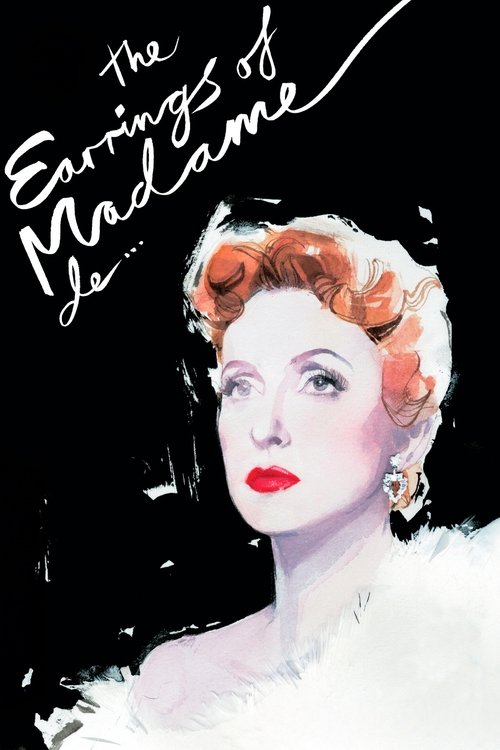
1953
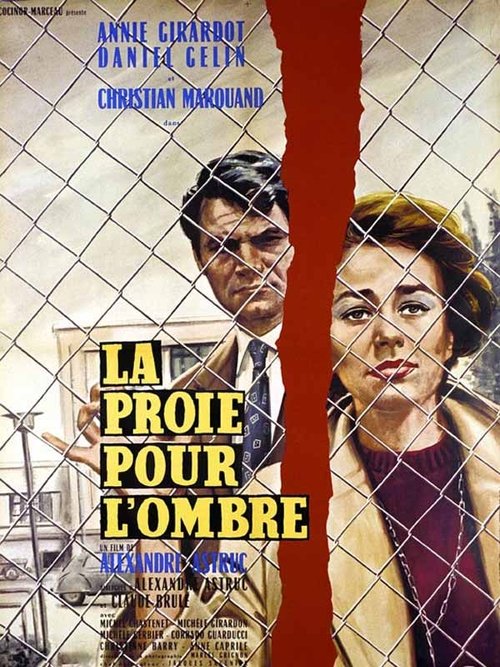
1961
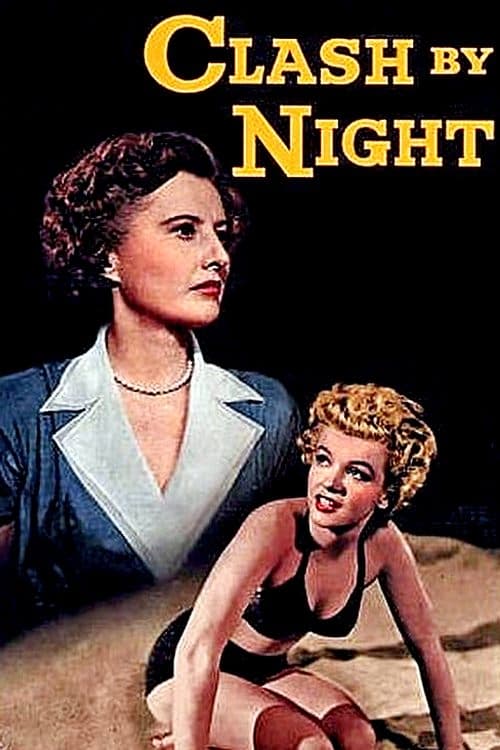
1952
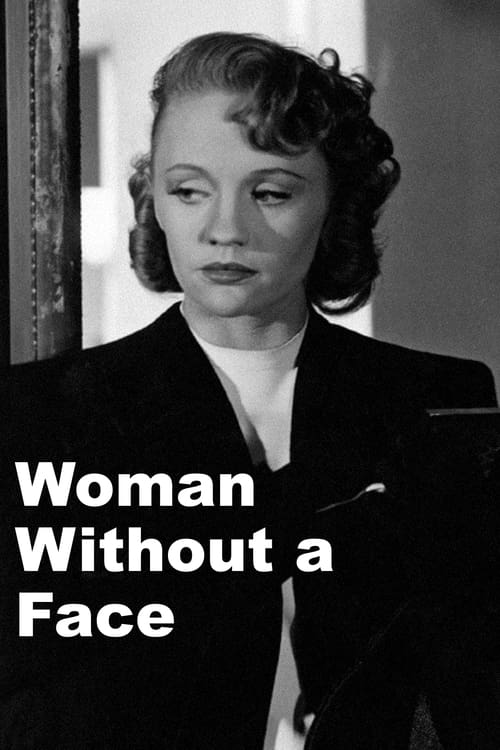
1947
1951
No reviews yet. Be the first to share your thoughts on this movie!
Use the rating form above to leave a star rating and optional review.