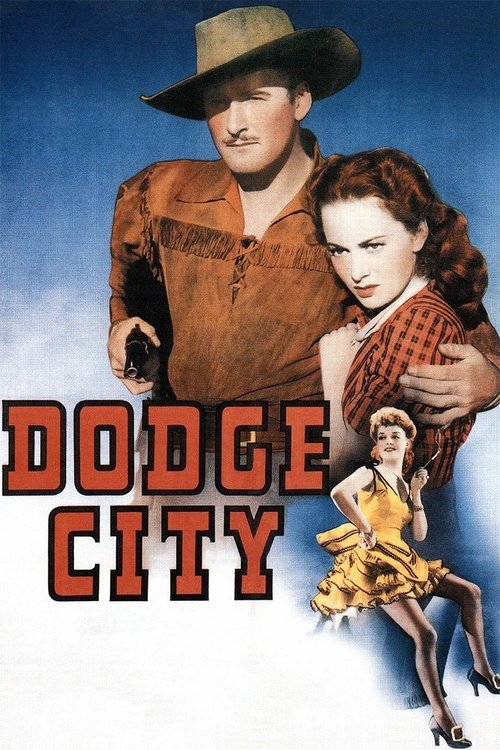
Dodge City
1939
No user ratings available yet
Representation score: 0.3 out of 10
Representation Score
Minimal
1941
NRDirector
Fritz Lang
Runtime
95 minutes
Average Rating
No ratings yetNew Showbiz Analysis
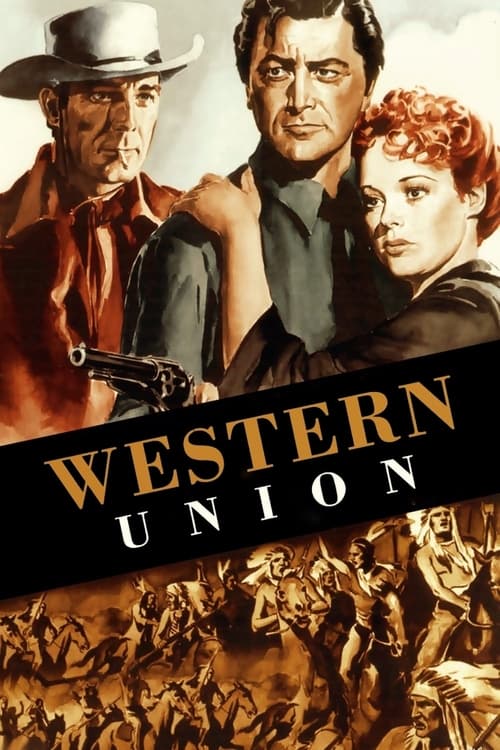
Western Union is a quintessential mid-century studio production that prioritizes a straightforward narrative of industrial progress. It celebrates technological expansion and institutional stability without social critique. The film reinforces the social hierarchies of its era, presenting a world where ability to act is almost exclusively reserved for white men. This results in a narrow demographic scope that overlooks the diverse realities of the American frontier. While Fritz Lang is known for complex power structures, this film operates within conventional genre boundaries, reflecting the standard social norms of the 1940s without attempting to disrupt them.
Category Breakdown
The film follows a strictly heterosexual and cisgender structure, with no depictions of non-binary genders or same-sex relationships. It focuses on professional competition and male camaraderie.
Gender roles are traditional and rigid. The central narrative of technological expansion is dominated by men, leaving women in secondary or domestic roles without significant influence on the plot.
The cast is predominantly white, reflecting 1940s Western genre conventions. It centers white protagonists and offers little visibility for diverse ethnic populations of the American West.
The story celebrates industrial progress and institutional stability. It validates the triumph of modern communication systems and technological advancement over older, traditional methods.
There is no representation of physical, sensory, or neurodivergent identities. Characters are defined solely by the physical capabilities needed for frontier labor.
Present on Screen
Limited or Absent
Official Synopsis
When Edward Creighton leads the construction of the Western Union to unite East with West, he hires a Western reformed outlaw and a tenderfoot Eastern surveyor. Preserved by the Academy Film Archive in partnership with Twentieth Century Fox Film Corporation in 2000.
1939
1940
1950
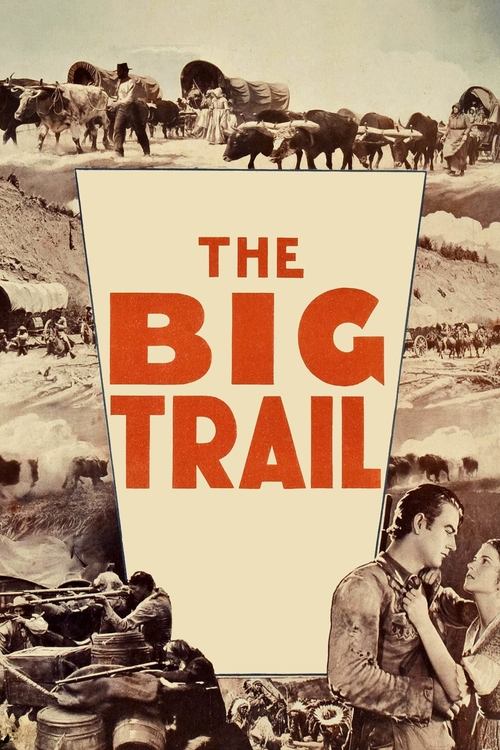
1930
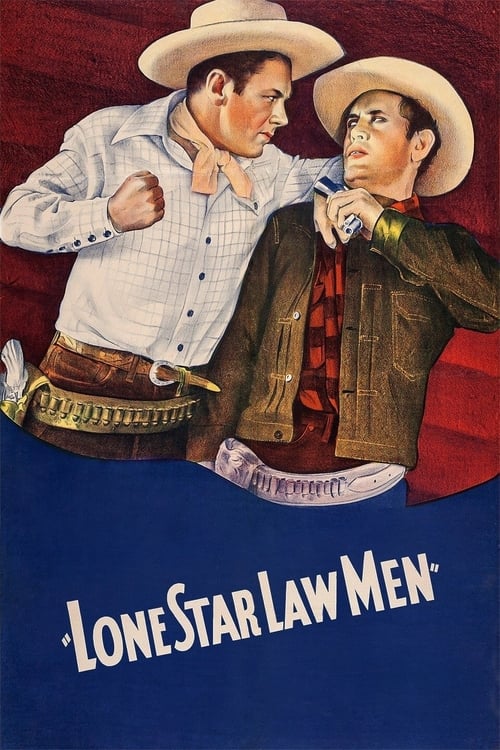
1941
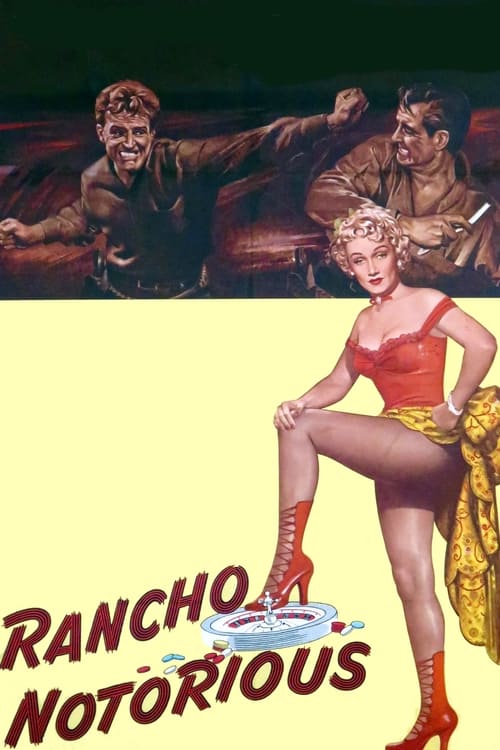
1952
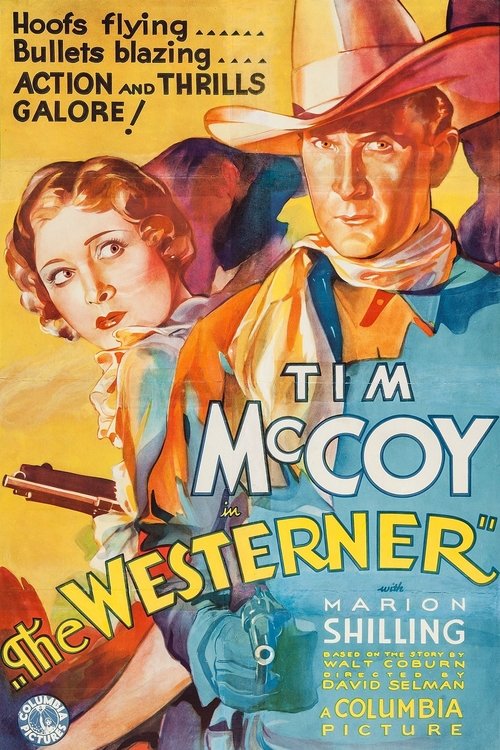
1934
1969
No reviews yet. Be the first to share your thoughts on this movie!
Use the rating form above to leave a star rating and optional review.