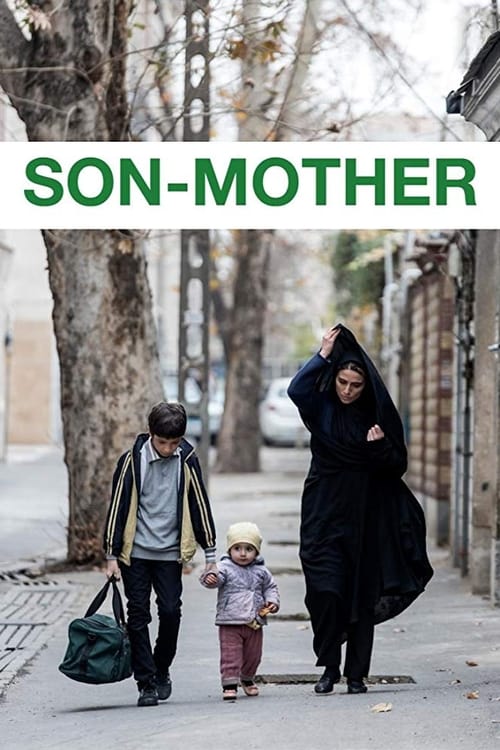
Son-Mother
2020
No user ratings available yet
Representation score: 6.4 out of 10
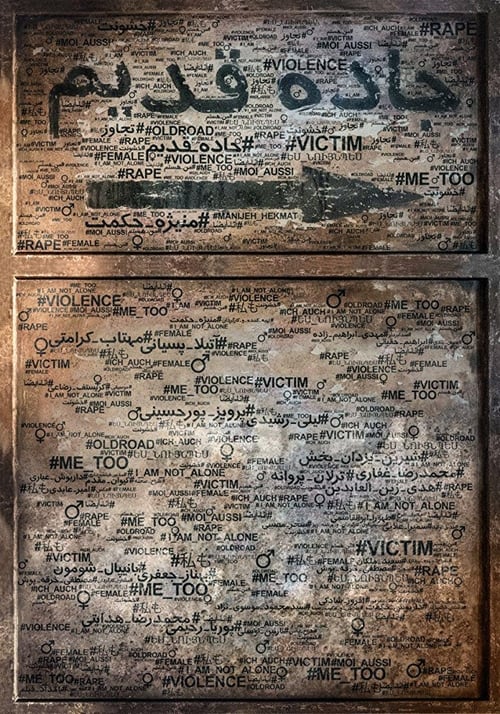
Representation Score
Good
2018
Director
Manijeh Hekmat
Runtime
99 minutes
Average Rating
No ratings yetNew Showbiz Analysis
Manijeh Hekmat presents a significant work of cinema that emphasizes women's ability to drive the story. By placing women at the heart of a survivalist drama, the film effectively dismantles traditional power dynamics and patriarchal structures. The film excels in its authentic Middle Eastern casting and its refusal to center Western perspectives. This provides a deep, localized immersion into a specific cultural identity. While the narrative lacks explicit LGBTQ+ or disability-focused storylines, its systemic critique of socioeconomic and gendered constraints provides substantial progressive value.
Category Breakdown
The film centers on the bond between a mother and daughter in a rural setting. It does not include any non-traditional gender identities or same-sex romantic relationships.
The story disrupts traditional gender roles by focusing solely on female characters. Women are portrayed as strong and resilient, rather than passive figures.
The film features an authentic Middle Eastern cast that avoids Western-centric casting. It offers a localized perspective that challenges Western cinematic dominance without stereotyping.
The story explores systemic hardships and the struggle against restrictive social environments. It critiques societal structures through the experiences of characters navigating socioeconomic and traditional constraints.
The film highlights the physical toll of surviving in a harsh environment. However, it does not feature neurodivergence or permanent disabilities as central character traits.
Present on Screen
Limited or Absent
Official Synopsis
Manijeh Hekmat is an Iranian film director. Born in 1962 in Farmahin, Iran, she has worked since 1980 as an assistant director and production designer in over 25 films. She directed her first feature film Women's Prison (Zendān-e Zanān) in 2002. This film has been shown at over 80 international film festivals and has received seven prizes. Three Women (Seh Zan) is Hekmat’s second feature film made in 2007.
2020
2000

2018

2009
2014

2015
2014
1999
No reviews yet. Be the first to share your thoughts on this movie!
Use the rating form above to leave a star rating and optional review.