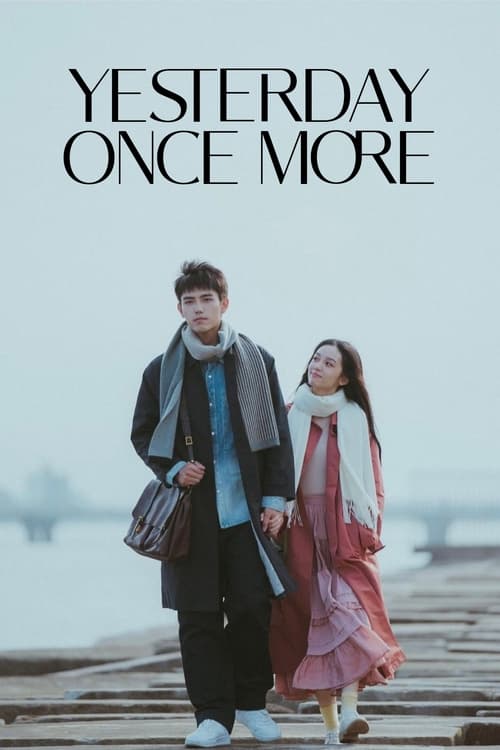
Yesterday Once More
2023
No user ratings available yet
Representation score: 3.9 out of 10
Representation Score
Limited
2009
Director
Yu Feihong
Runtime
0 minutes
Average Rating
No ratings yetNew Showbiz Analysis
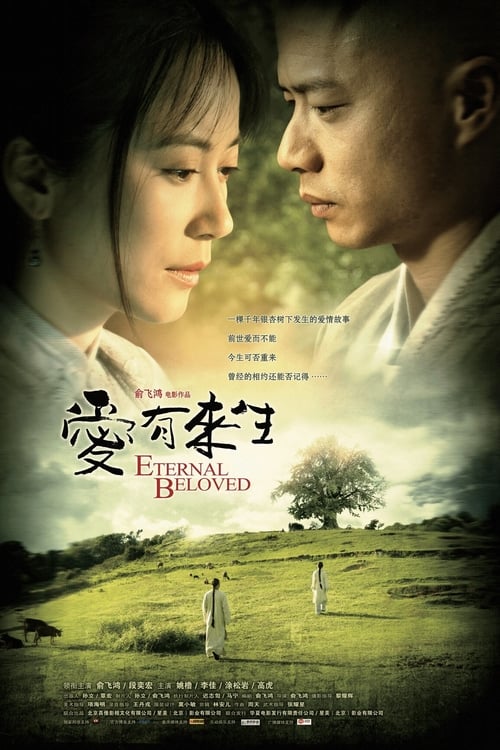
Eternal Beloved is a supernatural romance that leans on classic clichés rather than disrupting social norms. The narrative focuses on the star-crossed lovers motif, emphasizing the emotional mechanics of reincarnation and destiny. The film adheres to traditional social structures, especially concerning gender roles and family hierarchies. The resolution of the female lead's journey reinforces standard domestic archetypes rather than challenging them. Ultimately, the work functions as a conventional genre piece. It aims for emotional resonance through fate and memory rather than deconstructing systemic power dynamics or identity politics.
Category Breakdown
The film centers on a heterosexual relationship between A Jiu and A Ming, without representing non-binary gender identities or stories that question the assumption that everyone is straight or cisgender.
A Jiu's character arc culminates in her becoming a happily married housewife, reinforcing traditional feminine roles. Despite navigating reincarnation, her storyline aligns with conventional domesticity.
The film maintains a culturally uniform Chinese setting and cast, lacking diverse representations or blending of different cultural backgrounds.
The story highlights traditional values such as fate, lineage, and ancestral conflicts. It upholds a sense of cosmic order and romantic fatalism through its focus on reincarnation.
There is no depiction of physical or neurodivergent disabilities. A Ming’s status as a ghost serves as a supernatural element rather than a portrayal of lived disability.
Present on Screen
Limited or Absent
Official Synopsis
A Jiu and A Ming, two lovers from two enemy families make a pledge to continue their forbidden love in their next life. A Jiu quickly gets reborn but her lover misses his own chance and becomes a homeless ghost. 50 years later, right before A Ming’s next change for rebirth, A Jiu finally shows up. She has become a happily married housewife and has no memory of her previous life…
2023

2019

2019

2018

2002

1989
1996

2014
No reviews yet. Be the first to share your thoughts on this movie!
Use the rating form above to leave a star rating and optional review.