The Ring
1952
No user ratings available yet
Representation score: 1.8 out of 10
Representation Score
Limited
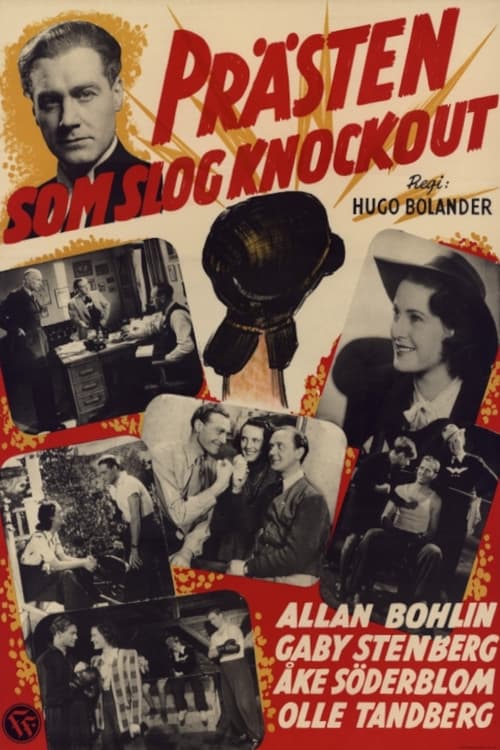
1943
Director
Hugo Bolander
Runtime
86 minutes
Average Rating
No ratings yetNew Showbiz Analysis
The film operates as a traditional period drama reflecting the demographic homogeneity of 1940s Sweden. Its main conflict revolves around the clash between a boxer's physical prowess and his religious calling, a theme centered on social status. While the story introduces a character balancing two distinct roles, it does not aim to disrupt established hierarchies. Instead, it examines how an individual navigates the prejudices of a rigid society. Ultimately, the production reflects the era's cinematic limitations, emphasizing a male-centric narrative with limited representation of gender, racial, or sexual diversity.
Category Breakdown
The film does not include any LGBTQ+ characters or non-cisgender identities. The story focuses solely on the tension between professional boxing and religious vocation.
The story centers on male-dominated spheres, particularly professional boxing and theology. Women do not play central roles or significantly influence the plot.
Set in 1940s Sweden, the film reflects the homogeneous social landscape of the time. There is no indication of diverse ethnic perspectives or non-white casting.
The narrative explores the tension between secular pursuits and religious institutions. It adheres to existing social norms without explicitly challenging them.
There is no depiction of physical, neurodivergent, or mental health conditions within the film.
Present on Screen
Limited or Absent
Official Synopsis
The boxing promoter Charlie returns from America to Sweden and needs to find a professional Swedish boxer for an upcoming fight. By chance Charlie watches Björn Harring fight off some hoodlums. Charlie sees great potential in Björn and wants to promote him for an upcoming fight, the problem is though that Björn is studying theology and is soon to become a priest. This might not look too good in a prejudiced society of the 40s with a boxing priest, but Charlie is determent to find a way.
1952
1992
1942
1947
1967
1956
1948
1955
No reviews yet. Be the first to share your thoughts on this movie!
Use the rating form above to leave a star rating and optional review.