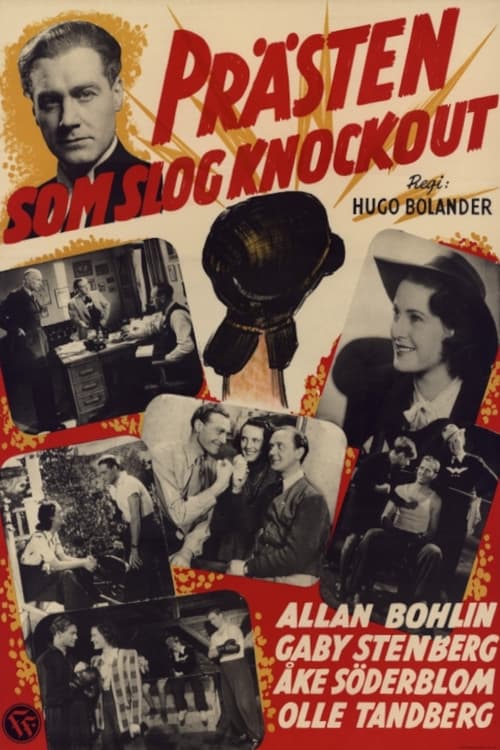
The Priest Who Knocked Out
1943
No user ratings available yet
Representation score: 2.6 out of 10
Representation Score
Minimal
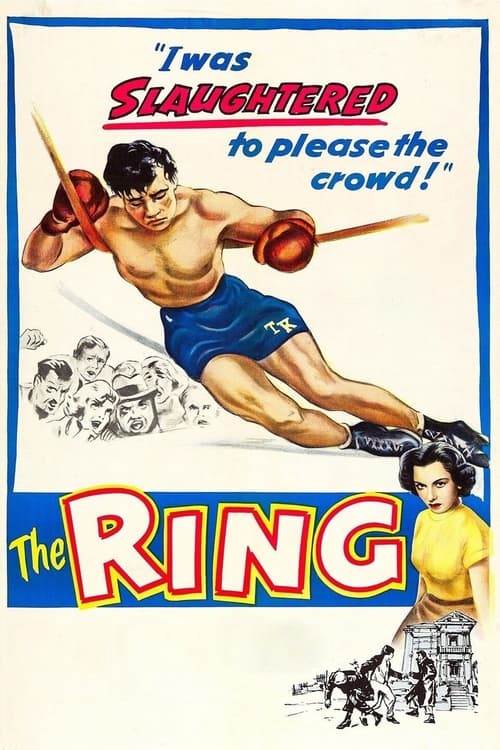
1952
ApprovedDirector
Kurt Neumann
Runtime
79 minutes
Average Rating
No ratings yetNew Showbiz Analysis
The Ring serves as a transitional mid-century film that introduces minor changes from the typical 1950s clichés. By featuring a Mexican-American protagonist and showcasing a female character's intellectual capabilities, the film avoids some of the more outdated patterns of its time. However, these changes do not significantly alter the traditional social and institutional structures of the era. The film remains closely tied to the conventional standards of its production period, especially concerning the professional hierarchy and cultural norms. Overall, the representation is confined to the main character and does not extend to a broader ensemble that challenges the status quo.
Category Breakdown
The film does not include any LGBTQ+ characters or narratives. There is no representation of non-traditional gender identities or critiques of heterosexual norms.
A female character demonstrates significant influence through her involvement with complex scientific ideas. However, she operates within a traditional hierarchy where male authority figures hold the primary positions of power.
The story focuses on a Mexican-American protagonist, breaking the usual homogeneity found in mid-century studio films. However, this ethnic identity is limited to the main character and not reflected in the broader cast.
The film follows the ethical and institutional norms of the mid-20th century. It does not emphasize secularism or moral relativism, maintaining alignment with the established social order.
The film does not feature any characters with visible or invisible disabilities. The narrative does not address neurodivergence or physical impairments.
Present on Screen
Limited or Absent
Official Synopsis
A young Mexican/American learns about life both inside and out of the ring when he takes up boxing.
1943
1992
1981
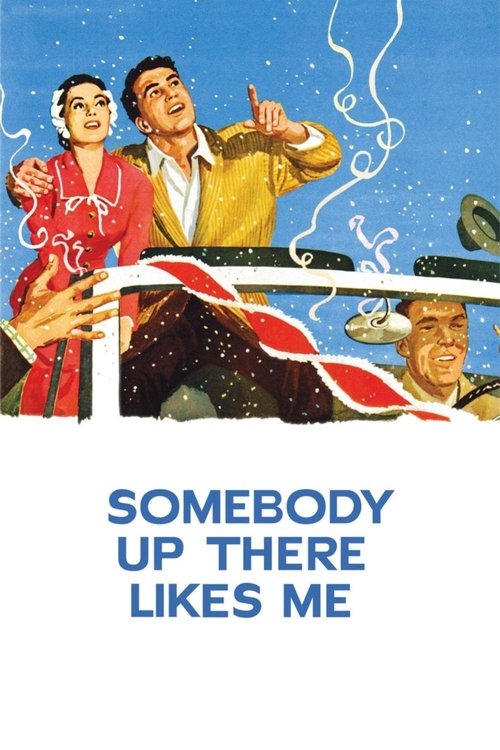
1956
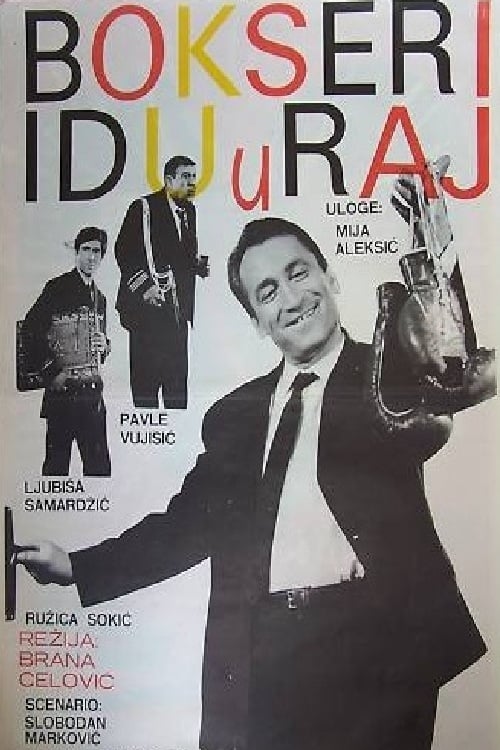
1967
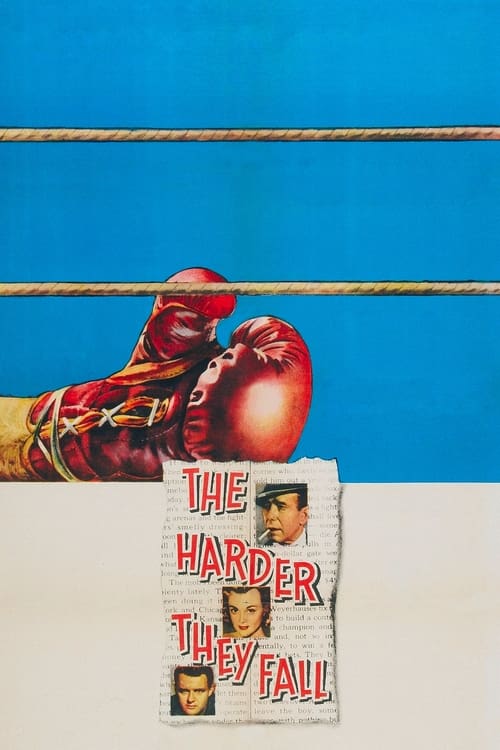
1956
2010
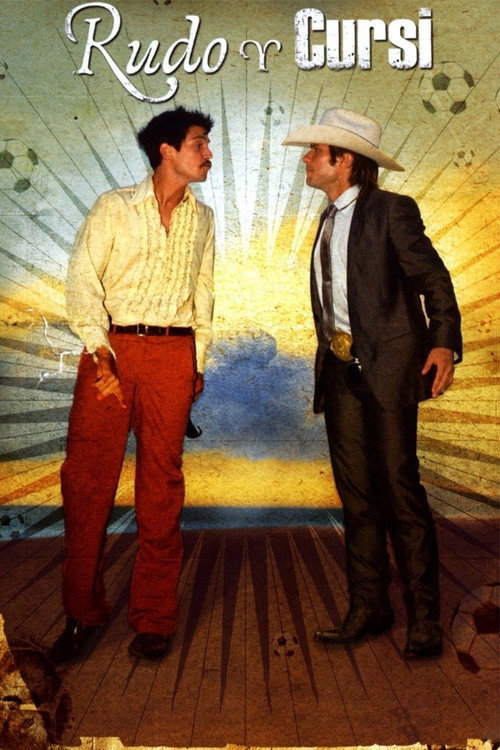
2008
No reviews yet. Be the first to share your thoughts on this movie!
Use the rating form above to leave a star rating and optional review.