Hellgate
1952
No user ratings available yet
Diversity score: 2.3 out of 10
1957
NRDirector
Franklin Adreon
Runtime
73 minutes
Average Rating
No ratings yetSynopsis
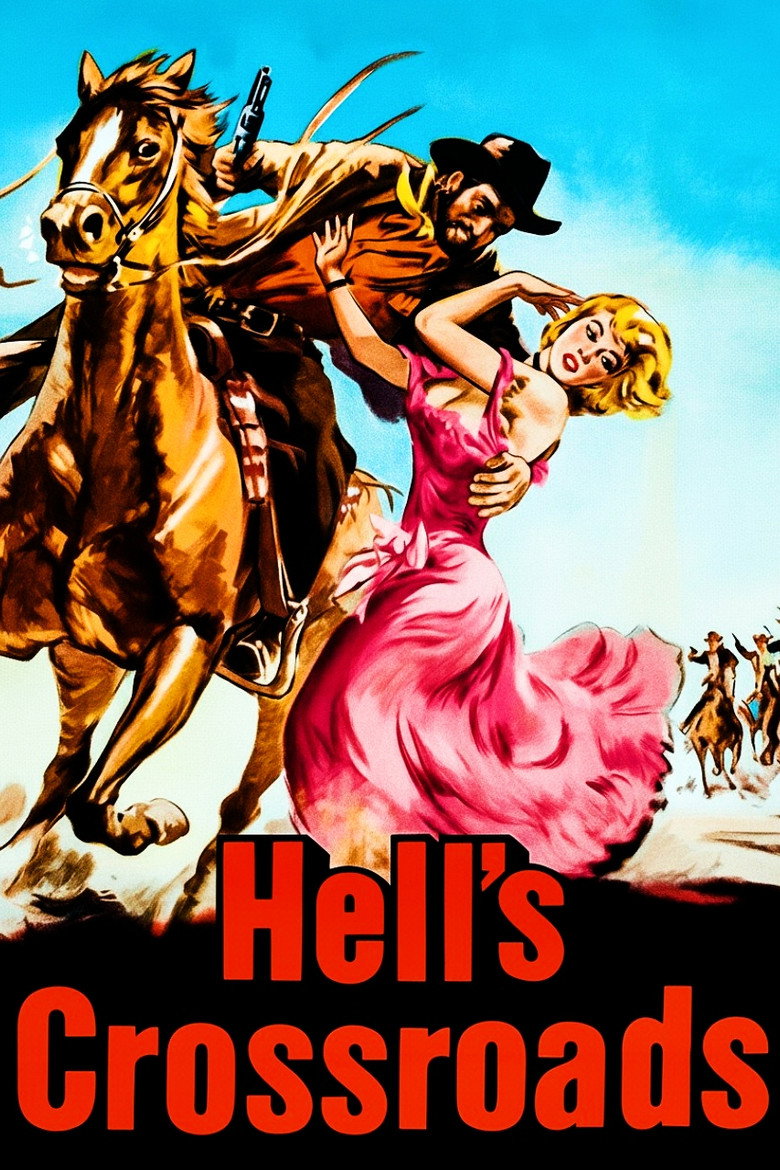
An imprisoned gunfighter must scatter to elude the authorities. Outlaws Bob Ford and Vic Rodell are nabbed, but the governor offers them amnesty in exchange for their help in bringing Jesse and his brother Frank to justice.
Overall Score
Limited
Category Breakdown
LGBTQ+ Representation
The film offers no evidence of non-cisnormative identities. It appears to adhere to the strict heteronormative standards typical of 1957 Westerns.
Gender Representation
The plot is driven almost exclusively by male gunfighters and authority figures. It centers on masculine archetypes of violence and patriarchal leadership.
Racial & Ethnic Diversity
The narrative lacks evidence of high-agency characters of color. It reflects the era's tendency toward homogeneous white casts and racial archetypes.
Religious & Cultural Diversity
The story reinforces traditional Western values regarding institutional stability. It focuses on state-sanctioned justice rather than critiquing Western institutions.
Disability Representation
There is no mention of physical or neurodivergent characters. The synopsis provides no information regarding disability representation.
Strengths
Areas for Improvement
AI Analysis
Hell's Crossroads is a quintessential mid-century Western that prioritizes traditional genre tropes over social complexity. The narrative relies on a 'deal with the devil' framework, where criminals assist the state to secure amnesty, reinforcing the authority of legal institutions. The film operates within a rigid moral dichotomy. By focusing on masculine archetypes and state-sanctioned justice, it reinforces the established social and legal hierarchies of the 1950s without attempting to subvert them. Ultimately, the work lacks intersectional depth. It functions as a standard genre piece that adheres to the conventional cinematic expectations of its era.
1952
1951

1939

1957
1943
1932
1938
1934
1935
1937
1949
1962
No reviews yet. Be the first to share your thoughts on this movie!
Use the rating form above to leave a star rating and optional review.