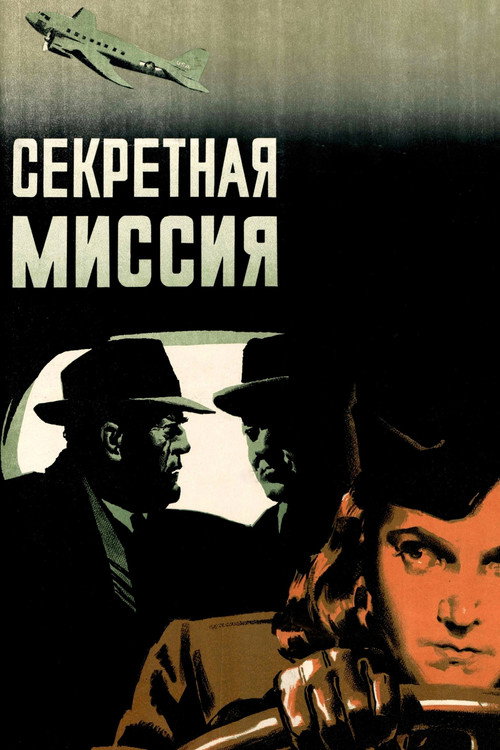
Secret Mission
1950
No user ratings available yet
Representation score: 3.2 out of 10

Representation Score
Limited
1960
Director
Oleksiy Shvachko
Runtime
83 minutes
Average Rating
No ratings yetNew Showbiz Analysis
Far from the Motherland is a period-specific geopolitical thriller that prioritizes nationalistic identity over social diversity. The narrative is built around the high-stakes espionage of a Soviet officer, which naturally centers male control and state loyalty. The film reflects the cultural constraints of 1960s Soviet production. It focuses on the ideological conflict between Soviet and German identities rather than exploring a diverse range of race, gender, or orientation. Ultimately, the work serves as a tool for reinforcing state-sanctioned heroism. It lacks the modern complexity needed to address disability or LGBTQ+ representation, remaining rooted in the traditional hierarchies of its era.
Category Breakdown
The film does not include any LGBTQ+ characters or explore non-straight relationships. It adheres to the traditional romantic archetypes common in 1960s Soviet cinema.
The male protagonist, Lieutenant Goncharenko, plays a central role in driving the story. Women are likely secondary figures or romantic interests, as is typical in romance genres.
The setting in the German homeland implies a predominantly white, European cast. The narrative focuses on Soviet and German national tensions rather than multi-ethnic diversity.
The story explores cultural tensions through a Cold War lens, framing the protagonist's mission within Soviet patriotic ideals. It emphasizes national identity and state-sanctioned heroism.
There is no indication of characters with visible or invisible disabilities. The film follows the era's trend of omitting disability from the central narrative.
Present on Screen
Limited or Absent
Official Synopsis
Soviet intelligence officer, Lieutenant Goncharenko, under the name of Baron Heinrich von Goldering is thrown into the deep German homeland on a mission to find out the location of the secret underground plant that produces new types of weapons.
1950

1965
1947
2014
1974
1965
2001
1960
No reviews yet. Be the first to share your thoughts on this movie!
Use the rating form above to leave a star rating and optional review.