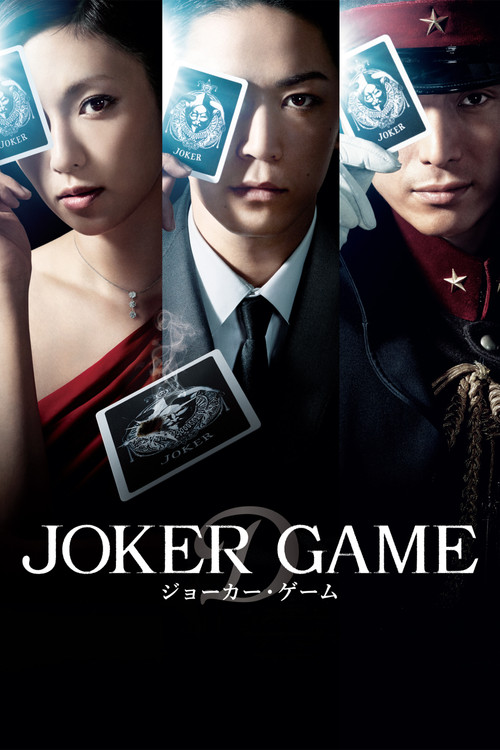
Joker Game
2015
No user ratings available yet
Representation score: 2.1 out of 10

Representation Score
Fair
2012
Director
Aleksey Andrianov
Runtime
99 minutes
Average Rating
No ratings yetNew Showbiz Analysis
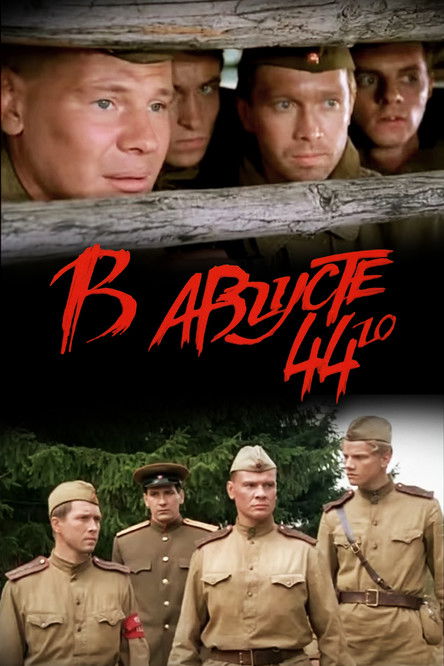
The Spy is a traditional historical thriller that prioritizes historical accuracy over challenging social hierarchies. It focuses on the geopolitical tensions in Moscow in 1941 and the conflicts between intelligence agencies. The film reflects the specific social and political conditions of the pre-WWII era. It operates within the conventional frameworks of statecraft and national security, rather than exploring identity-driven narratives. Overall, the production emphasizes state-centric conflict and duty, reflecting the demographic and social norms of the early 1940s.
Category Breakdown
The film does not include any non-binary or LGBTQ+ identities and does not question the assumption that everyone is straight. It seems to follow the social norms of 1941.
The story focuses on traditional masculine roles related to espionage and military action. Women are not shown in roles that require superior intellect or leadership.
The cast probably reflects the homogeneous demographics of the Soviet state during that time. The story centers around the state identity rather than diverse backgrounds.
The setting highlights patriotism and the preservation of national institutions. The narrative focuses on state survival rather than social disruption.
The film does not show any characters with disabilities having significant control over their actions. Instead, it focuses on the high-action espionage elements.
Present on Screen
Limited or Absent
Official Synopsis
Spring 1941. Center of Moscow. Duel of the two intelligence services turns more and more tense.
2015
1969

2005
2009
2001
2016
1998
2018
No reviews yet. Be the first to share your thoughts on this movie!
Use the rating form above to leave a star rating and optional review.