
Loverboy
2005
No user ratings available yet
Representation score: 4.6 out of 10
Representation Score
Good
1996
RDirector
Kevin Bacon
Runtime
93 minutes
Average Rating
No ratings yetNew Showbiz Analysis
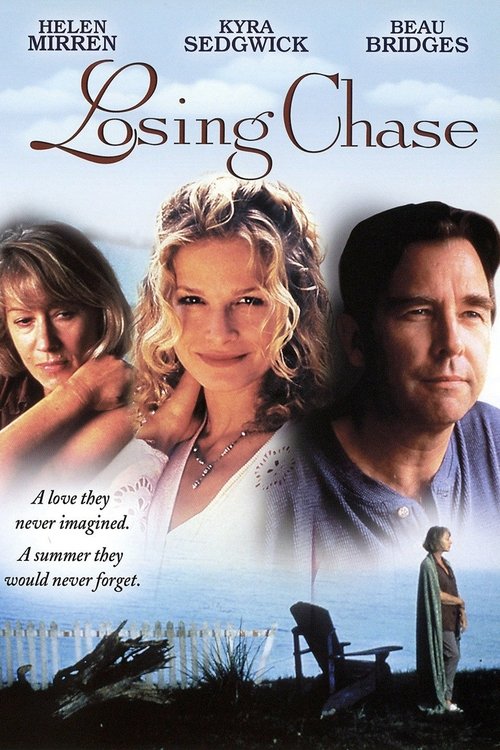
Losing Chase serves as a character study that emphasizes intricate interpersonal dynamics over conventional storylines. By focusing on the psychological intimacy between Chase and Elizabeth, the film steers clear of typical romantic narratives. The film successfully challenges traditional gender roles by emphasizing the caregiver-patient dynamic and the emotional complexity of female characters. This focus allows for a deeper exploration of power imbalances and emotional depth. However, the film's impact is limited due to the lack of explicit information about the characters' LGBTQ+ identities and the absence of data on racial diversity. The narrative's strength lies in its psychological depth rather than broad systemic representation.
Category Breakdown
The film focuses on a close and tumultuous relationship between two women. Although their sexual orientations are not explicitly stated, the emphasis on female intimacy suggests a move away from assumptions that everyone is straight or cisgender.
The narrative challenges traditional gender roles by highlighting the psychological complexity and vulnerability of female characters. It avoids the cliché of portraying women as stable and predictable by instead focusing on their emotional struggles and mental health.
There is no information available regarding the racial or ethnic composition of the cast. Consequently, the racial diversity of the film cannot be assessed.
The story examines moral questions through the lens of mental health and caregiving. This approach highlights the nuances of human behavior and internal psychological states.
The protagonist's journey through a nervous breakdown introduces themes of neurodivergence and mental health. This offers an opportunity to depict invisible disabilities through the lens of personal ability to act.
Present on Screen
Limited or Absent
Official Synopsis
An intimate and turbulent relationship develops between Chase, a woman recovering from a nervous breakdown, and Elizabeth, the caretaker employed to look after her.
2005

1999

1995

1991

1990
1986

1995
1974
No reviews yet. Be the first to share your thoughts on this movie!
Use the rating form above to leave a star rating and optional review.