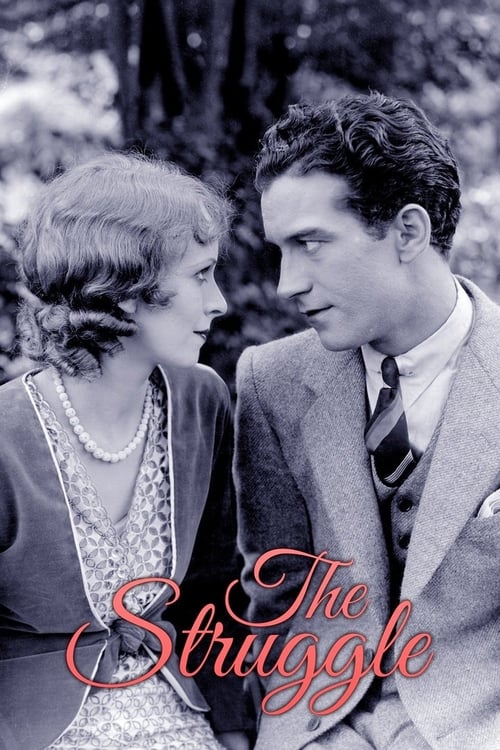
The Struggle
1931
No user ratings available yet
Representation score: 0.9 out of 10
Representation Score
Limited
1932
PassedDirector
E. Mason Hopper
Runtime
65 minutes
Average Rating
No ratings yetNew Showbiz Analysis
The film presents a conventional 1932 drama with a strictly white cast. Gender roles are traditional, positioning the female lead as the emotional anchor and the male lead as the protector. Class differences are visible through the contrast between the characters' backgrounds and the wealthy Fane household. The narrative resolves through personal vindication and the exposure of a family betrayer. Faith is absent, with morality defined by loyalty and honesty. The social hierarchies of gender and class remain unchallenged by the plot. The world is orderly, with clear distinctions that drive the conflict. No LGBTQ+ or disability representation is present. The story relies on established norms of the pre-Code era. The focus remains on family stability and personal integrity. The resolution reinforces the value of honesty and loyalty within the family unit.
Category Breakdown
No LGBTQ+ characters or same-sex romance appear. Relationships follow standard heterosexual pairings. The narrative contains no non-heteronormative elements.
Anne Fane serves as the moral center and emotional core. Bruce Rogers acts as the rational, protective male lead. Conventional gender roles structure the family dynamics.
The cast is entirely white. This reflects standard Hollywood production norms of the era. No other racial or ethnic groups are depicted on screen.
Faith and religious institutions are absent from the plot. Morality is framed through personal integrity and family duty. Class distinctions contrast Anne’s background with the Fane estate’s comfort.
No characters with disabilities appear in the film. Physical limitations are not part of the narrative. The cast remains physically able-bodied throughout.
Present on Screen
Limited or Absent
Official Synopsis
A young writer saves a desperate young woman from committing suicide. They eventually fall in love and marry, but their marriage faces some serious roadblocks.
1931
1928
1931
1938
1931
1920
1931

1930
No reviews yet. Be the first to share your thoughts on this movie!
Use the rating form above to leave a star rating and optional review.