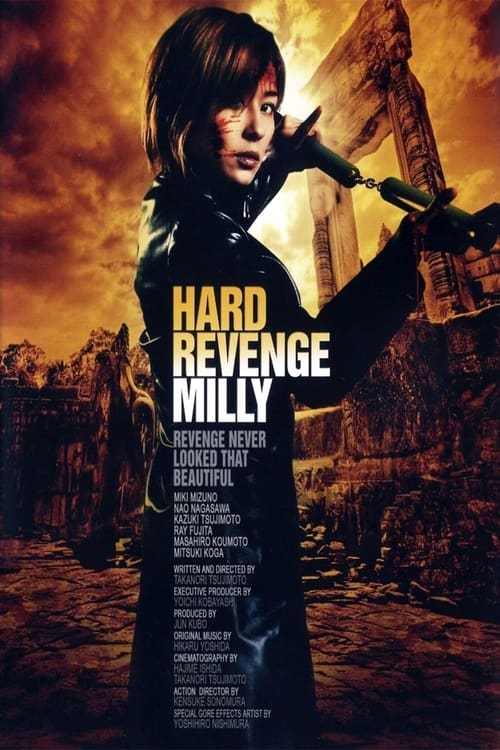
Hard Revenge, Milly
2008
No user ratings available yet
Representation score: 1.6 out of 10
Representation Score
Fair
2009
Director
Takanori Tsujimoto
Runtime
74 minutes
Average Rating
No ratings yetNew Showbiz Analysis
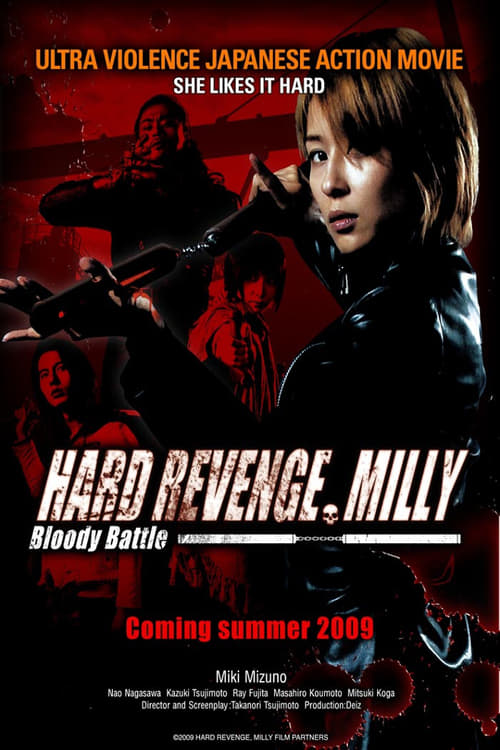
In 'Hard Revenge, Milly: Bloody Battle,' the film presents a strong female lead who defies traditional gender roles. Milly's character is powerful and autonomous, challenging the stereotype of passive femininity. However, the film's exploration of social issues is limited by its reliance on personal vengeance and traditional family structures. The story focuses on individual retribution without delving into broader social or systemic critiques. Set in Yokohama, the film offers a non-Western backdrop but lacks multi-layered layers.
Category Breakdown
The story revolves around Milly's personal quest for vengeance after losing her husband and child. There is no representation of non-binary gender identities or narratives that challenge traditional heterosexual norms.
Milly is a strong, independent woman who drives the plot through her actions. She breaks the stereotype of passive femininity but her motivations are rooted in traditional family roles.
Set in Yokohama, the film features a Japanese cast and setting. However, it focuses on a local conflict without showing a multi-ethnic cast or engaging with layered racial dynamics.
The film emphasizes individual justice through cycles of revenge and retribution. It leans into the lone vigilante cliché without critiquing religion or systemic institutions.
The available information provides no mention of characters navigating physical, neurodivergent, or mental health disabilities. No representation in this category is identified.
Present on Screen
Limited or Absent
Official Synopsis
The story starts in the devastated rogue city of Yokohama, surrounded by rubble. After Milly killed Jack, the main villain from the first movie, and finally satisfied her thirst for revenge for the deaths of her husband and child, she seems to be on safe ground for the moment. But just as she starts to relax, she is targeted by strange guys. They are here to avenge Jack's death.
2008

1973
1992
2010
2019
2009
1993
1996
No reviews yet. Be the first to share your thoughts on this movie!
Use the rating form above to leave a star rating and optional review.