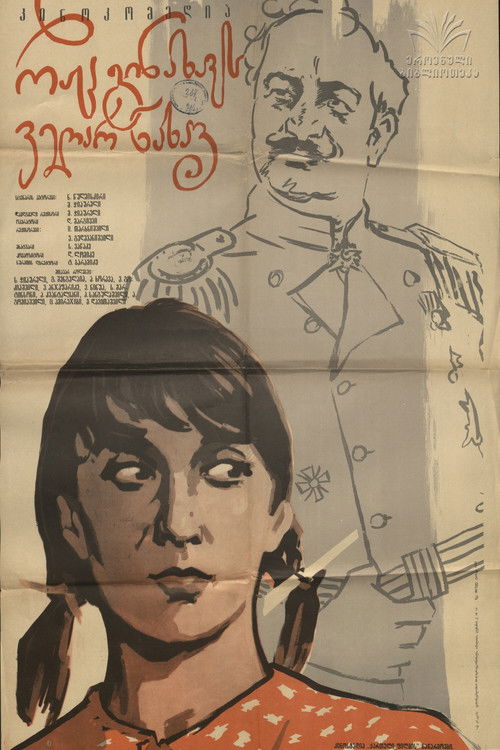
You Can't See What You Have Seen
1965
No user ratings available yet
Representation score: 3.4 out of 10

Representation Score
Limited
1957
Director
Youssef Chahine
Runtime
110 minutes
Average Rating
No ratings yetNew Showbiz Analysis
Youssef Chahine’s film is a significant cultural artifact that excels in regional authenticity. By centering the story on Egyptian social customs and local identity, it avoids the colonial perspectives often found in international cinema of the 1950s. However, the film remains bound by the social hierarchies of its era. The narrative structure follows conventional romantic and gendered clichés, focusing on a traditional marriage trajectory that lacks modern subversions of identity or social roles. Ultimately, the film is a localized romantic musical that prioritizes emotional evolution within a traditional framework rather than challenging established social or gendered norms.
Category Breakdown
The film follows a traditional romance between Farid and Yasmina. It does not include any non-cisgender identities or same-sex relationships.
Yasmina starts as part of a transactional marriage for inheritance. She gains emotional strength as the story progresses, but the initial setup relies on traditional gender roles.
The film offers an authentic Egyptian perspective, avoiding the Western gaze common in mid-century cinema. The cast and setting are predominantly local, emphasizing regional identity.
Themes of family duty and inheritance drive the narrative. The story prioritizes personal emotions and family bonds over strict social rules.
There are no prominent depictions of physical or neurodivergent disabilities that serve as central character traits or drive the narrative forward.
Present on Screen
Limited or Absent
Official Synopsis
Farid is forced to marry his cousin, Yasmina, after their uncle leaves them a big inheritance, provided that the two get married. They decide to get married on paper and separate after receiving the inheritance, but during the honeymoon in Aswan,they fall in love with each other.
1965

1952

1966
1975

2008
1949
1956

1964
No reviews yet. Be the first to share your thoughts on this movie!
Use the rating form above to leave a star rating and optional review.