
Russian Doll
2001
No user ratings available yet
Representation score: 5.3 out of 10
Representation Score
Limited
1989
Director
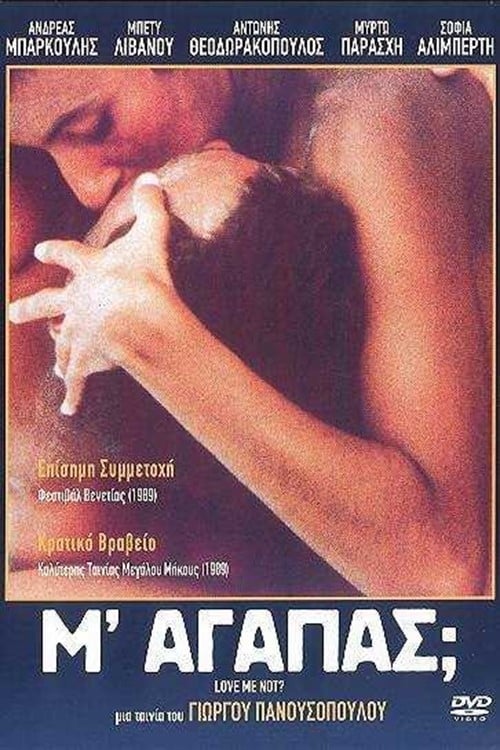
Giorgos Panousopoulos
Runtime
102 minutes
Average Rating
No ratings yetNew Showbiz Analysis
Love Me Not? uses a high-concept metaphysical premise to explore the tension between biological impulses and identity. By separating desire from the original body, the film raises postmodern questions about the self. However, the film adheres to conventional structures. It relies heavily on biological determinism and traditional gender roles, often depicting women through a lens of romantic destiny rather than independent action. Ultimately, the work functions as a localized romantic comedy. It emphasizes emotional volatility and Mediterranean romantic fatalism over a diverse or multi-layered exploration of the human experience.
Category Breakdown
The story centers around heterosexual relationships and does not include characters with non-binary gender identities or critiques of heterosexuality.
Women in the film mainly serve as objects of desire or emotional support for men. However, the wife’s role in making the transplant decision shows she has some influence.
The movie depicts a homogenous Mediterranean population. There are no indications of diverse casting or inclusion of non-white perspectives.
The story delves into traditional Mediterranean values such as grief and family bonds. It aligns with classic romantic ideals without critiquing societal or religious structures.
Medical tragedy is used as a plot device to create a supernatural link. The film does not offer a detailed look at physical disabilities or the experiences of disabled individuals.
Present on Screen
Limited or Absent
Official Synopsis
Spying a lissome young woman standing topless on a nearby balcony, Giorgos (Andreas Barcoulis) climbs up onto a nearby rooftop to get a better look. At a critical moment in his climb, his family and friends call out to him and he falls, suffering a terrible blow to the head. Ineed, at the hospital, the family is told that he is brain dead, and that if they like, his heart can be given to someone else as a transplant. Giorgos' grieving wife (Betty Livanou) agrees to this arrangement. The film now follows the recipient of the dead man's heart (Giorgos Constas), as he wanders all over Greece, driven by his newly lusty heart into the arms of many beautiful women. Eventually he is led to the one woman his new heart truly loved, Giorgios' wife.
2001
1992

1989

1993

2010

1990

1992

1984
No reviews yet. Be the first to share your thoughts on this movie!
Use the rating form above to leave a star rating and optional review.