
Numb
2007
No user ratings available yet
Diversity score: 3.5 out of 10
2010
RDirector
Chris D'Arienzo
Runtime
95 minutes
Average Rating
No ratings yetSynopsis
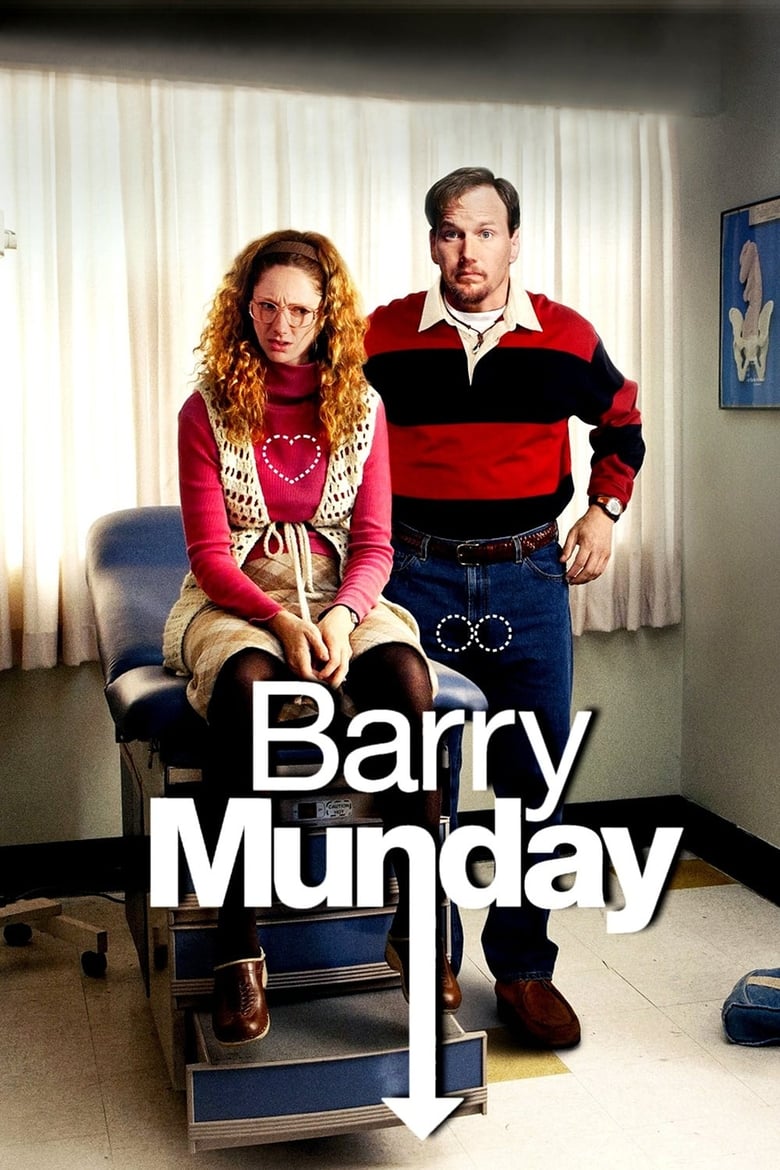
Barry Munday, a libido-driven wage slave who spends all his time either ogling, fantasizing about, or trying to pick up women, wakes up in hospital after a freak attack only to find that his testicles have been removed.
Overall Score
Limited
Category Breakdown
LGBTQ+ Representation
The narrative centers on a protagonist's hyper-fixation on heteronormative pursuits. There is no evidence of non-cisnormative identities or critiques of traditional sexual norms.
Gender Representation
The film relies heavily on the male gaze, positioning women as objects of fantasy. While the male protagonist is depicted through a lens of dysfunction, he remains the sole narrative driver.
Racial & Ethnic Diversity
The documentation provides no evidence of a diverse or non-Anglo-Saxon cast. The character structure appears to follow a conventional, homogeneous pattern.
Religious & Cultural Diversity
The story focuses on individualistic struggle and personal crisis rather than systemic critique. It lacks any indication of anti-Western or anti-capitalist sentiment.
Disability Representation
Physical trauma and medical intervention serve primarily as comedic catalysts. The film lacks a nuanced exploration of lived experience or agency regarding disability.
Strengths
Areas for Improvement
AI Analysis
Barry Munday operates as a conventional character study that adheres to established comedic tropes. The plot is driven by a singular male protagonist's libido and a sudden medical crisis, which keeps the focus narrow and individualistic. The film fails to challenge traditional social hierarchies. Instead of offering intersectional perspectives, it relies on a framework where women are objects of desire and the central conflict is a personal, biological predicament. Ultimately, the production lacks the intentionality needed to provide meaningful representation. It functions within a standard, homogeneous structure common to mid-budget independent comedies of its era.
2007
2003

1989
2012

2013
1995

2003

2000

2004
1983

2011
2002
No reviews yet. Be the first to share your thoughts on this movie!
Use the rating form above to leave a star rating and optional review.