Wonders of the Sea
2017
No user ratings available yet
Representation score: 1.6 out of 10
Representation Score
Limited
2012
Not RatedDirector
Michael Pitiot, Yann Arthus-Bertrand
Runtime
94 minutes
Average Rating
No ratings yetNew Showbiz Analysis
Planet Ocean is a macro-scale nature documentary that prioritizes systemic ecological narratives over individual human stories. Since the primary subjects are non-human biological entities, the film lacks the social framework needed to address identity-based markers like gender, disability, or sexual orientation. However, the production achieves diversity through its international crew and its philosophical stance. By using a global team of cinematographers, the film avoids a narrow, Western-centric viewpoint. Its focus on the interconnectedness of the planet challenges colonialist views of nature as a mere resource. Ultimately, the low aggregate score is a mathematical byproduct of the film's subject matter. While it lacks human social representation, it succeeds in presenting a post-nationalist, multi-ethnic approach to environmental stewardship.
Category Breakdown
The film focuses on marine biology and oceanic ecosystems rather than human social dynamics. Since there are no human character arcs, there is no opportunity to represent LGBTQ+ identities.
The narrative centers on non-human biological entities rather than human protagonists. Therefore, the film does not explore gender hierarchies or social roles.
An international team of underwater cinematographers provides a global perspective. This collaborative approach helps avoid a monolithic, Western-centric lens in its scientific observations.
The film highlights the bond between humanity and the ocean to critique anthropocentrism. It prioritizes global ecological interdependence over specific national or religious interests.
The documentary's observational scope is limited to marine life and environmental phenomena. There is no focus on human neurodivergence or physical disabilities.
Present on Screen
Limited or Absent
Official Synopsis
Dive into our planet's greatest mysteries with a team of international underwater cinematographers as they explore the breathtaking bond between humanity and the ocean.
2017
2013

2018
2010
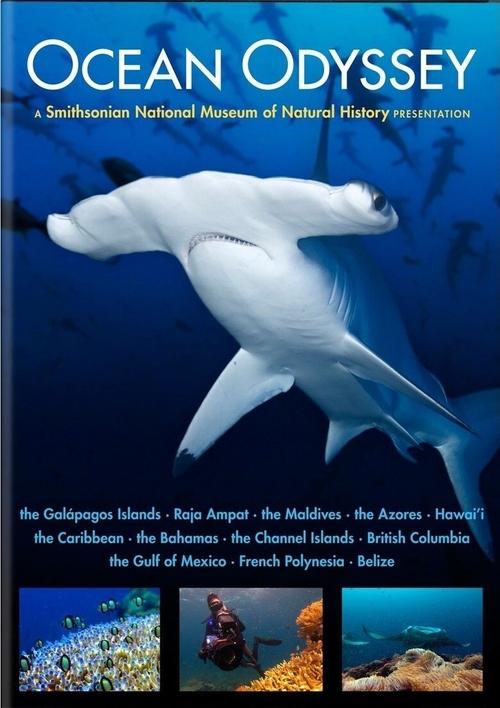
2010
2023
2003
2017
No reviews yet. Be the first to share your thoughts on this movie!
Use the rating form above to leave a star rating and optional review.