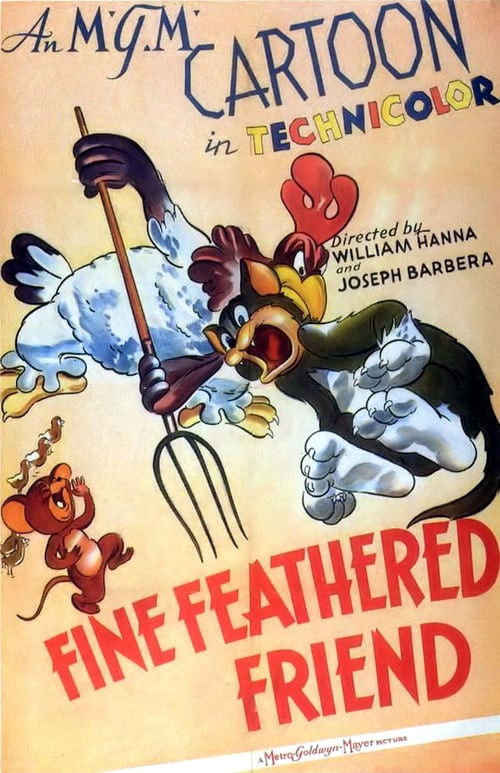
Fine Feathered Friend
1942
No user ratings available yet
Diversity score: 1.1 out of 10
1943
NRDirector
Joseph Barbera, William Hanna
Runtime
8 minutes
Average Rating
No ratings yetSynopsis
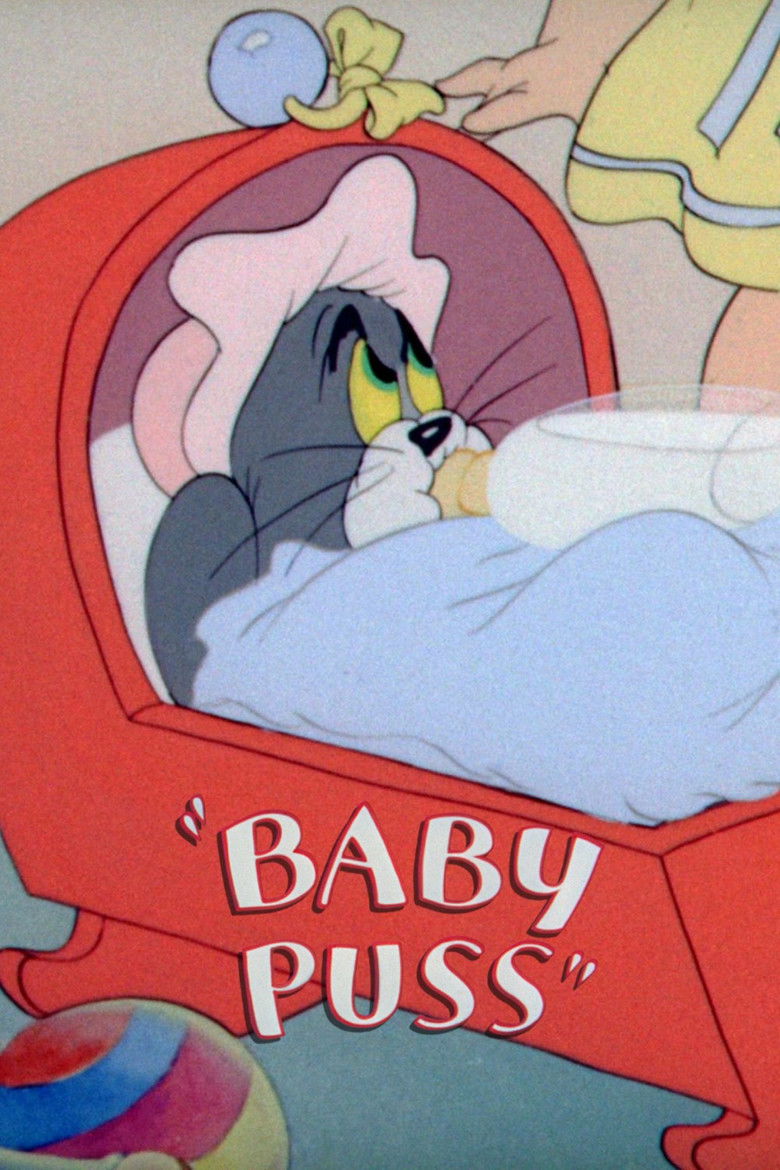
Tom is dressed up and treated like a baby by the little girl of the house.
Overall Score
Minimal
Category Breakdown
LGBTQ+ Representation
The film focuses exclusively on domestic interactions between a child and anthropomorphic animals. It contains no representation of non-cisnormative identities or narratives addressing heteronormativity.
Gender Representation
A young girl exerts control over the household, briefly disrupting the typical predator-prey hierarchy. However, characterization remains within standard mid-century archetypes without subverting gendered power dynamics.
Racial & Ethnic Diversity
The setting is a homogeneous domestic environment. The cast is limited to animals and a single child, offering no visible racial or ethnic diversity or multicultural engagement.
Religious & Cultural Diversity
This escapist entertainment reinforces the stability of the domestic sphere. It presents a non-challenging view of the traditional family unit through physical slapstick humor.
Disability Representation
No characters are depicted with physical, sensory, or neurodivergent disabilities. Physical states are driven solely by the requirements of slapstick comedy.
Strengths
Areas for Improvement
AI Analysis
Baby Puss is a quintessential example of mid-century slapstick animation, prioritizing physical gag architecture over social or identity-based narratives. The story relies on established comedic structures and traditional domestic settings that do not seek to challenge or explore social hierarchies. The film lacks intentionality regarding intersectional identities or progressive themes. It functions as a baseline period piece, focusing on the character dynamics of Tom and Jerry within a narrow, Western-centric domestic framework.
1942

1945
1942
1944
1952
1961
1951
1950
1943
1942
1954
1953
No reviews yet. Be the first to share your thoughts on this movie!
Use the rating form above to leave a star rating and optional review.