
Chronus
2014
No user ratings available yet
Representation score: 5.6 out of 10
Representation Score
Fair
2014
Runtime
23 minutes
Average Rating
No ratings yetNew Showbiz Analysis
The film is a character-driven exploration of empathy and spirit-human relations. It prioritizes atmospheric storytelling and emotional resonance over social disruption or the challenging of identity hierarchies. While the protagonist offers a gentle subversion of traditional masculinity, the narrative remains rooted in a culturally specific and ethnically homogeneous Japanese setting. It functions as a stable, conventional social framework. Ultimately, the work reinforces themes of coexistence and traditional morality rather than engaging with multi-layered diversity or systemic critique.
Category Breakdown
The story focuses on platonic friendships and spiritual coexistence. There are no explicit depictions of non-binary identities or same-sex romantic relationships.
Takashi Natsume challenges traditional masculinity through empathy and gentleness. However, the film upholds established social norms rather than breaking down gender hierarchies.
The setting is ethnically uniform, reflecting a localized, rural Japanese context. The narrative prioritizes cultural authenticity over the inclusion of diverse ethnic backgrounds.
The film promotes communal harmony and respect for the unseen. It emphasizes traditional values of social cohesion and the sanctity of personal boundaries.
The protagonist's ability to perceive spirits serves as a metaphor for navigating an invisible world. However, the film lacks explicit depictions of characters with disabilities.
Present on Screen
Limited or Absent
Official Synopsis
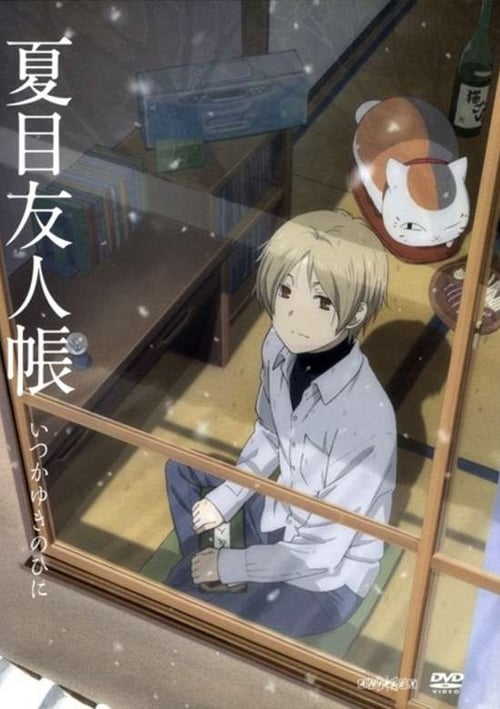
During a winter walk, Natsume meets a snowman yokai who is searching for something she's lost and can't seem to recall and decides to help her despite not knowing what exactly she's looking for.
2014

2006

2012

2011

2014

2014

2018
2012
No reviews yet. Be the first to share your thoughts on this movie!
Use the rating form above to leave a star rating and optional review.