
The Miniaturist
2017
No user ratings available yet
Diversity score: 2.4 out of 10
1990
TV-PGDirector
Karen Arthur
Runtime
90 minutes
Average Rating
No ratings yetSynopsis
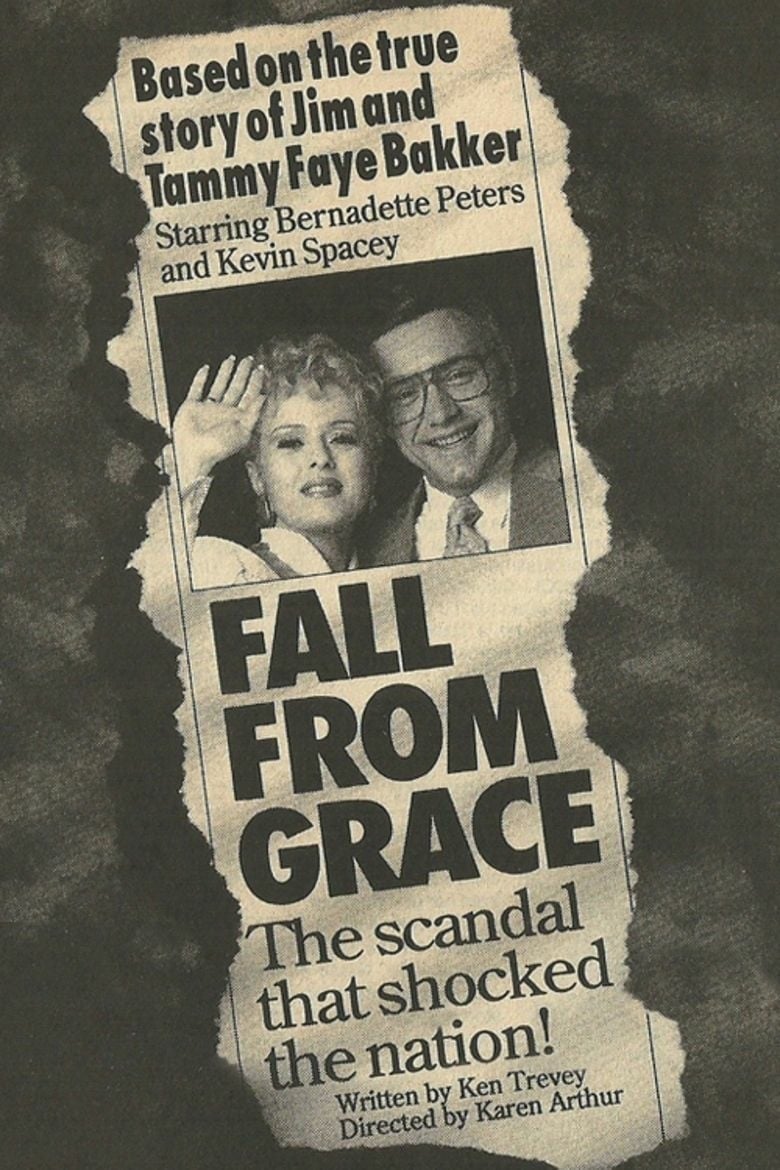
Jim Bakker establishes a large televangelical empire in the 1980s, including Heritage Village. However, they are removed from P.T.L, the ministry that they had established in 1987.
Overall Score
Fair
Category Breakdown
LGBTQ+ Representation
The film lacks LGBTQ+ characters or storylines. The narrative focuses exclusively on a conventional romantic pairing.
Gender Representation
The story emphasizes female agency through its protagonist. It explores the psychological tension between emotional vulnerability and personal autonomy rather than relying on passive tropes.
Racial & Ethnic Diversity
A multi-racial central pairing featuring Laurence Fishburne and Jennifer Beals drives the emotional core. This casting disrupts the homogeneous patterns common in 1990s television dramas.
Religious & Cultural Diversity
The film explores moral ambiguity and the gray areas of obsession. It avoids prescriptive ethical codes, focusing instead on characters operating outside standard social norms.
Disability Representation
There is no discernible focus on visible or invisible disabilities within the narrative.
Strengths
Areas for Improvement
AI Analysis
Fall From Grace distinguishes itself through a character-driven approach that prioritizes psychological depth over simple moral binaries. By centering the narrative on the internal lived experience of its female lead, the film avoids many of the era's common female tropes. The casting of a Black male lead alongside a White female lead provides a significant disruption of racial homogeneity. This choice integrates a blended racial dynamic into the very architecture of the film's emotional storytelling. While the film lacks engagement with LGBTQ+ identities or disability representation, it succeeds in deconstructing romantic archetypes. It trades idealized social conformity for a complex study of obsession and subjective morality.
No reviews yet. Be the first to share your thoughts on this movie!
Use the rating form above to leave a star rating and optional review.