
The Eyes of Tammy Faye
2021
No user ratings available yet
Representation score: 7.8 out of 10
Representation Score
Good
2000
PG-13Director
Randy Barbato, Fenton Bailey
Runtime
79 minutes
Average Rating
No ratings yetNew Showbiz Analysis
The film serves as a deconstruction of institutional power rather than a broad demographic study. It excels at challenging traditional hierarchies by centering Tammy Faye’s influence and subverting expected feminine roles within a patriarchal religious structure. While the documentary lacks significant LGBTQ+ or racial diversity, it provides strong progressive value through its cultural critique. It effectively examines the intersection of faith and capitalism, revealing the fragility of moral authority during the ministry's collapse. Ultimately, the work is a study of identity and media consumption, using a real-life scandal to explore how systemic corruption operates within religious subcultures.
Category Breakdown
The documentary focuses on religious and media-driven personas rather than queer identities. It does not feature LGBTQ+ characters as central figures in the main storyline.
The film challenges gender hierarchies by highlighting Tammy Faye’s performative femininity. Her aesthetic choices and emotional expression provide her with significant influence against rigid religious masculinity.
The narrative accurately reflects the racial homogeneity of the late 20th-century American televangelism movement. It captures the demographic landscape of the time without intentional whitewashing.
The film offers a critical look at organized religion and predatory capitalism. It portrays the PTL Club as a site of systemic financial misconduct and moral relativism.
The documentary touches on the psychological pressures of public life but lacks a focused exploration of neurodivergence or physical disability as central themes.
Present on Screen
Limited or Absent
Official Synopsis
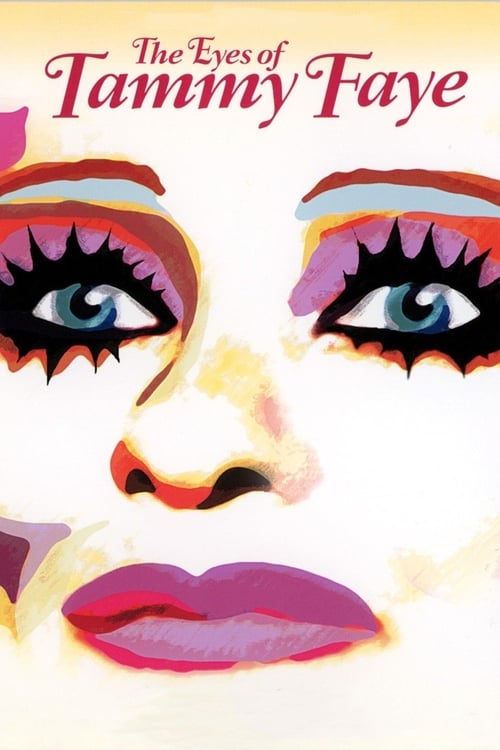
A documentary look, mostly through the eyes of Tammy Faye Bakker Messner, at her rise and fall as a popular televangelist with husband Jim Bakker.
2021

2011
2019

2018
1979
2015

2014
2009
No reviews yet. Be the first to share your thoughts on this movie!
Use the rating form above to leave a star rating and optional review.