
My Dinner with Hervé
2018
No user ratings available yet
Representation score: 6.8 out of 10

Representation Score
Good
1998
RDirector
Bill Condon
Runtime
105 minutes
Average Rating
No ratings yetNew Showbiz Analysis
Bill Condon’s drama excels in its complex identity-focused narratives. It offers a nuanced look at LGBTQ+ relationships and a dignified portrayal of cognitive decline, enriching the protagonist's inner struggles. However, the film’s historical setting limits its racial diversity, restricting its broader social representation. Ultimately, it is a sophisticated psychological study that challenges traditional hierarchies by emphasizing personal truth and the fragility of reputation.
Category Breakdown
The film focuses on the life of James Whale, a gay man living in the 1950s. It highlights the importance of queer friendships and subtle expressions of intimacy.
Female characters such as the housekeeper Hannah play significant roles in managing the household. While the film emphasizes male psychological states, it avoids portraying women in submissive roles.
The cast is primarily white, reflecting the historical and class-based context of 1950s Britain. There is no intentional mixing of races in the main storylines.
The story challenges the 'Great Man' myth by focusing on a director struggling with social irrelevance. It prioritizes personal psychological experiences over traditional or religious absolutes.
The film deeply explores cognitive decline and neurodivergence. It handles the protagonist's declining mental abilities with dignity, avoiding sensationalism.
Present on Screen
Limited or Absent
Official Synopsis
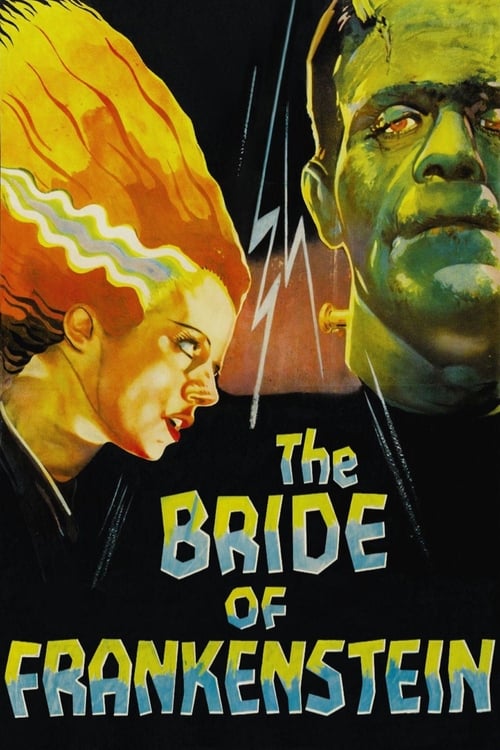
It's 1957, and James Whale's heyday as the director of "Frankenstein," "Bride of Frankenstein" and "The Invisible Man" is long behind him. Retired and a semi-recluse, he lives his days accompanied only by images from his past. When his dour housekeeper, Hannah, hires a handsome young gardener, the flamboyant director and simple yard man develop an unlikely friendship, which will change them forever.
2018
1993
1950

2017

1989
1935
2015
1948
No reviews yet. Be the first to share your thoughts on this movie!
Use the rating form above to leave a star rating and optional review.