
A Letter From Bataan
1942
No user ratings available yet
Representation score: 0.3 out of 10
Representation Score
Minimal
1944
ApprovedDirector
Lloyd Bacon
Runtime
85 minutes
Average Rating
No ratings yetNew Showbiz Analysis
Sunday Dinner for a Soldier is a quintessential wartime drama that prioritizes traditional social structures. The plot focuses on domesticity, patriotic sentiment, and a standard romantic resolution between a civilian and a soldier. The film adheres strictly to mid-century cinematic conventions, reinforcing established hierarchies and social norms rather than attempting to challenge them or introduce complexity in reflecting multiple aspects of identity. Ultimately, the work functions as a reinforcement of stable family units and conventional courtship, offering little in the way of progressive representation or cultural critique.
Category Breakdown
The film follows a conventional romantic arc between a female civilian and a male soldier. It lacks any evidence of non-straight relationships or narratives that challenge the assumption that everyone is straight or cisgender.
Tessa, the woman running the household, plays a significant role in managing her home. However, the plot remains centered on traditional courtship and mid-century domesticity.
The narrative likely reflects the homogeneous demographic norms of 1940s studio productions. There is no specific evidence of a non-white majority cast.
The story emphasizes traditional Western values like hospitality and patriotism. It reinforces social cohesion and family stability during wartime rather than critiquing these institutions.
There is no mention of characters with visible or invisible disabilities within the narrative.
Present on Screen
Limited or Absent
Official Synopsis
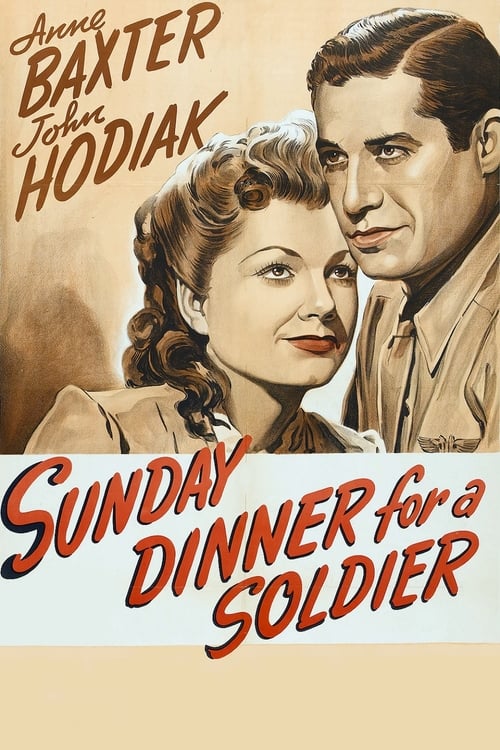
A poor family in Florida saves all the money they can in order to plan something special for the soldier they've invited to Sunday dinner. They don't realize that their request to invite the soldier never got mailed. On the day of the scheduled dinner, another soldier is brought to their home and love soon blossoms between him and Tessa, the young woman who runs the home.
1942

1958

1945

1960

1944

1957

1957

1944
No reviews yet. Be the first to share your thoughts on this movie!
Use the rating form above to leave a star rating and optional review.