The Scarecrow
1920
No user ratings available yet
Representation score: 0.4 out of 10
Representation Score
Minimal
1923
Not RatedDirector
Edward F. Cline, Buster Keaton
Runtime
64 minutes
Average Rating
No ratings yetNew Showbiz Analysis
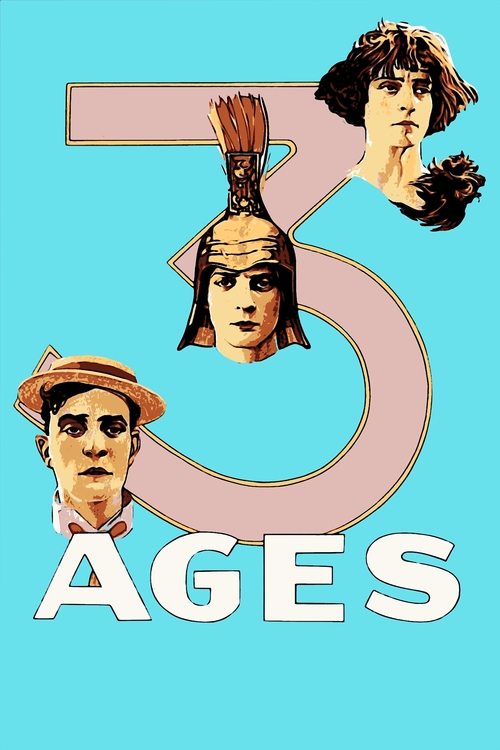
Three Ages is a classic silent slapstick short that relies on a tripartite structure to explore courtship through different historical epochs. While the physical comedy is expertly executed, the film functions as a traditional comedic exercise that reinforces the social clichés of its era. The narrative lacks intentionality regarding the way different parts of someone's identity overlap. It adheres to the standard romantic and social hierarchies of the early 20th century, offering little challenge to established norms. Ultimately, the film serves as a period-specific comedic study rather than a work that challenges or expands upon the social identities of its time.
Category Breakdown
The film follows a strictly heterosexual structure, focusing entirely on traditional romantic pursuits between a male protagonist and a female lead.
Male characters drive the plot through physical competition and brawn. The female lead remains a passive recipient of the action, reinforcing traditional gender hierarchies.
The cast is largely homogeneous, reflecting the standard of early 1920s American cinema. There is no evidence of intentional racial blending or non-Anglo-Saxon identities.
The narrative focuses on universal courtship rituals rather than systemic critiques. It maintains a traditional view of social order and technological frustration.
The film centers on physical slapstick comedy. It does not feature characters with visible or invisible disabilities as part of the narrative arc.
Present on Screen
Limited or Absent
Official Synopsis
The rituals of courtship, romantic rivalry, and love play out three times as a man vies with a villain for the girl. In the Stone Age, the rivalry is set off by dinosaurs, a turtle used as a ouija board, and a round of golf with stones. In ancient Rome, the men display their brawn through a chariot race, using dogs instead of horses. In contemporary times, the man finds himself overcome by modernity, including a very fragile car.
1920
1938
1921

1928
1932
1932
1928
1965
No reviews yet. Be the first to share your thoughts on this movie!
Use the rating form above to leave a star rating and optional review.