Bird of Prey
2018
No user ratings available yet
Representation score: 3.4 out of 10
Representation Score
Good
2014
GDirector
Judy Irving
Runtime
80 minutes
Average Rating
No ratings yetNew Showbiz Analysis
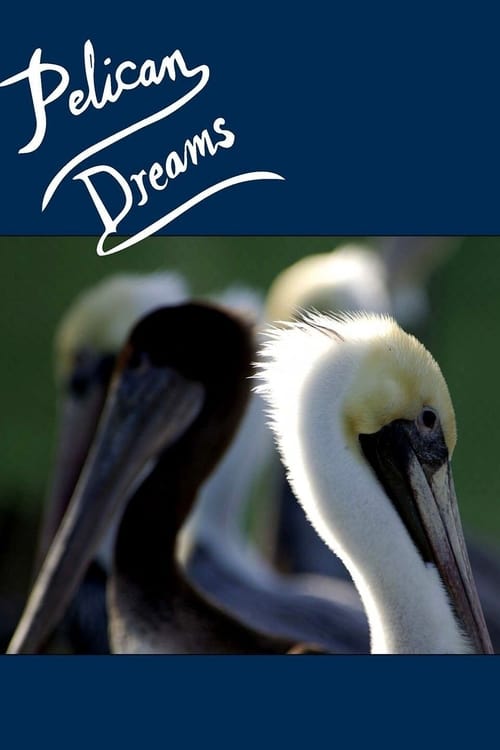
Pelican Dreams succeeds by shifting the focus away from human-centric narratives toward the ability to act of the natural world. By focusing on the survival and rehabilitation of specific birds, the film avoids treating wildlife as mere biological specimens. While the documentary lacks human-centric identity markers like racial or LGBTQ+ representation, it finds depth in its philosophical approach. It critiques the drive to tame the wild, offering a sophisticated view of coexistence. The depiction of physical vulnerability in the birds is handled with dignity. Rather than relying on spectacle, the film explores the ethics of care and the systemic challenges of wildlife rehabilitation.
Category Breakdown
The film focuses on avian subjects and ecological processes. There is no explicit evidence of LGBTQ+ characters or narratives within the documentary.
The narrative moves away from traditional anthropocentric hierarchies. It disrupts the 'man vs. nature' cliché by favoring a symbiotic perspective over human dominance.
As a documentary centered on wildlife rehabilitation and migratory patterns, the film lacks a human cast to demonstrate racial or ethnic diversity.
The film deconstructs the relationship between Western civilization and nature. It challenges the impulse to domesticate the world, prioritizing ecological integrity over human utility.
The film provides meaningful representation of physical impairment through injured pelicans. These subjects are portrayed with dignity rather than as mere spectacle.
Present on Screen
Limited or Absent
Official Synopsis
Sundance-and-Emmy-Award-winning filmmaker Judy Irving (with her first film since the widely acclaimed and loved “The Wild Parrots of Telegraph Hill”) follows a wayward California brown pelican from her “arrest” on the Golden Gate Bridge into care at a wildlife rehabilitation facility, and from there explores pelicans’ nesting grounds, Pacific coast migration, and survival challenges of these ancient birds, sometimes referred to as the flying dinosaurs. The film is about wildness, and asks the following questions: how close can we get to a wild animal without taming or harming it? Why do we need wildness in our lives, and how can we protect it? PELICAN DREAMS, stars “Gigi” (for Golden Gate) and Morro (a backyard pelican with an injured wing).
2018
2016
2008
2001
2012

2014

2003

2019
No reviews yet. Be the first to share your thoughts on this movie!
Use the rating form above to leave a star rating and optional review.